

Denture Replacement Case Study in Melbourne
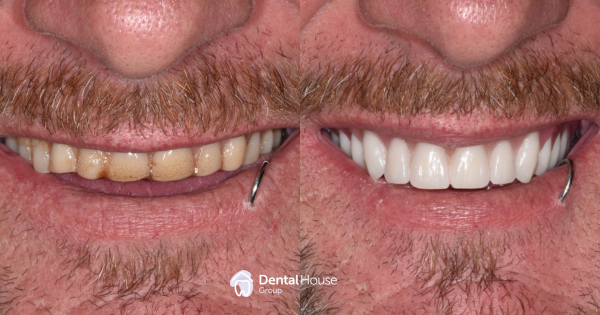
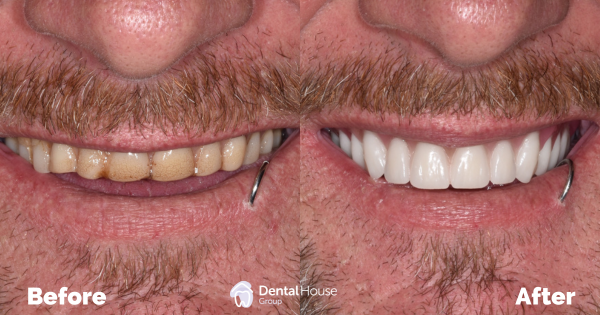
Can New Dentures Replace Worn and Discoloured Dentures in Melbourne?
Case Note ID: Dec-2024-ND
Location: Greenvale Dental House (serving the Melbourne, Romsey and surrounding areas)
Primary Treatments: Complete upper denture replacement
Supporting Technology: Custom denture fabrication, conventional impression techniques
Presenting Clinical Problem
- Existing upper denture showing discolouration despite regular cleaning
- Loss of denture retention affecting speech and function
- Visible wear and chipping of denture teeth
- Patient concerns regarding professional appearance
- Primary objective: Replace deteriorated denture with improved fit and aesthetics
Treatment Plan & Clinical Process
Phase 1: Assessment and Treatment Planning
- Examination of existing denture condition and fit
- Evaluation of upper ridge anatomy and tissue health
- Assessment of lower dentition or denture occlusal relationships
- Discussion of denture design options and material selections
- Treatment timeline and appointment scheduling
Phase 2: Denture Fabrication Process
- Primary impressions of upper edentulous ridge
- Custom tray fabrication for detailed final impressions
- Jaw relationship records and vertical dimension verification
- Tooth selection for shade, size and arrangement
- Wax try-in appointment for aesthetic and functional verification
- Laboratory processing and finishing
Phase 3: Denture Delivery and Adjustments
- Denture insertion with initial fit verification
- Occlusal adjustment to ensure proper bite relationship
- Instructions for denture insertion, removal and care
- Post-delivery adjustment appointments as required
Clinical Outcome
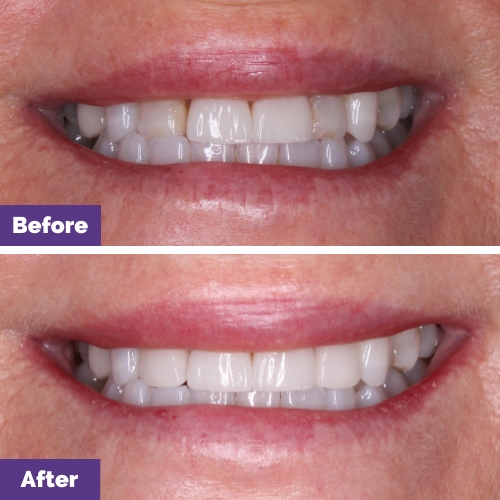
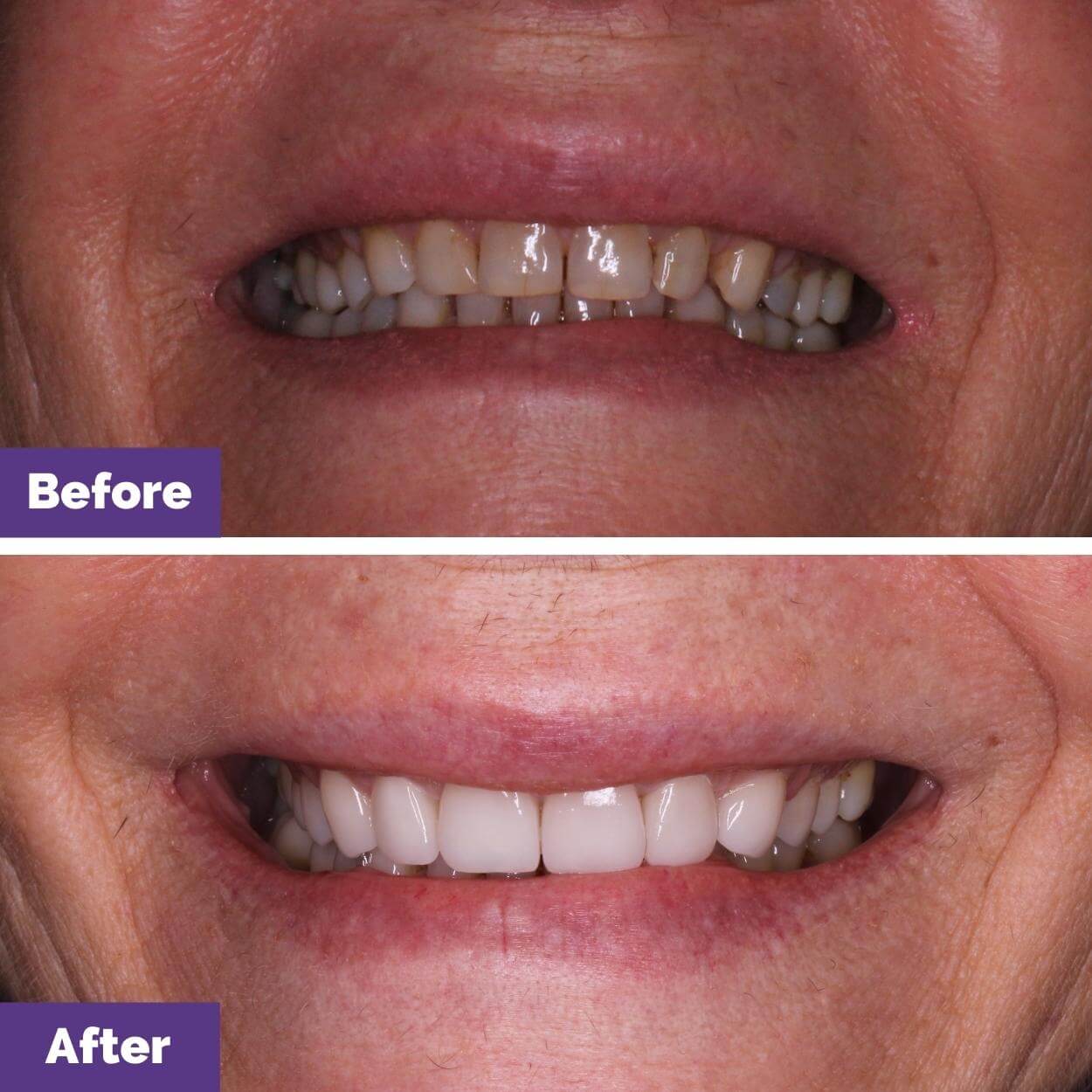
The denture replacement process occurred over approximately six visits spanning two months. New denture fabrication allowed for improved tissue adaptation, updated tooth selection and restoration of appropriate vertical dimension that may have been lost with the previous denture.
Individual responses to new denture treatment vary significantly. Treatment outcomes cannot be guaranteed. Many patients require an adaptation period to adjust to new dentures, even when replacing existing ones. Changes in denture base thickness, tooth position or vertical dimension may initially affect speech and comfort. Ridge resorption continues over time, requiring periodic relines (typically every 2-3 years) or replacement (typically every 5-10 years).
Frequently Asked Questions for Melbourne and Romsey Patients
Why do dentures become discoloured over time?
Denture discolouration results from staining substances (coffee, tea, tobacco), plaque accumulation, calculus deposits and acrylic material degradation. Some discolouration is intrinsic to aged acrylic and cannot be removed through cleaning. Regular professional cleaning and proper home care slow but do not prevent this process. Eventually, replacement becomes necessary.
How often should dentures be replaced?
Denture longevity varies but typically ranges from 5-10 years before replacement becomes necessary. Factors affecting lifespan include ridge resorption, tooth wear, acrylic degradation, changes in jaw relationships and patient care habits. Loose dentures accelerate ridge loss and should be evaluated promptly rather than waiting for scheduled replacement.
Why do dentures become loose over time?
Denture looseness results primarily from ongoing ridge resorption, a normal process following tooth loss. As the ridge changes shape, dentures no longer fit the underlying tissues properly. Weight loss, medications and systemic health conditions can accelerate ridge changes. Periodic relines restore fit, though eventual denture replacement is typically required.
Disclaimer: The material posted is for informational purposes only and is not intended to substitute for professional medical advice, diagnosis or treatment. Results vary with each patient. Any dental procedure carries risks and benefits. If you have any specific questions about any dental and/or medical matter, you should consult your dentist, physician or other professional healthcare providers.
Disclaimer: The outcomes shown are only relevant for this patient and do not necessarily reflect the results other patients may experience.
Disclaimer: The outcomes shown are only relevant for this patient and do not necessarily reflect the results other patients may experience.
Services We Mentioned:
More Patient Journeys




This has to be the best dental practice I have ever been to (and I’ve been to a few over the years)! Have attended both Sunbury and most recently the Bacchus Marsh Dental House. All the Staff are wonderful. I see Dr. Fong and he is amazing. He makes me feel very comfortable and at ease. He is very personable and always make me laugh. Thanks also to the lovely Hannah who assisted when I had my recent procedure done.
Sobro O
Not just any old dental clinic, made to feel right at Home as soon as I walked in the door. Friendly and caring team and love the color purple throughout!
Scott S.
Had my first visit to Sunbury Dental House last week – they promise a gentle approach and having a crown prep done by Dr Fong after cracking a tooth, I’ve felt comfortable during my dental appointment. Being able to watch a movie during treatment certainly helped! Looking forward to my return visit in a few weeks!

