

Root Canal Treatment Followed by a Dental CrownRead more
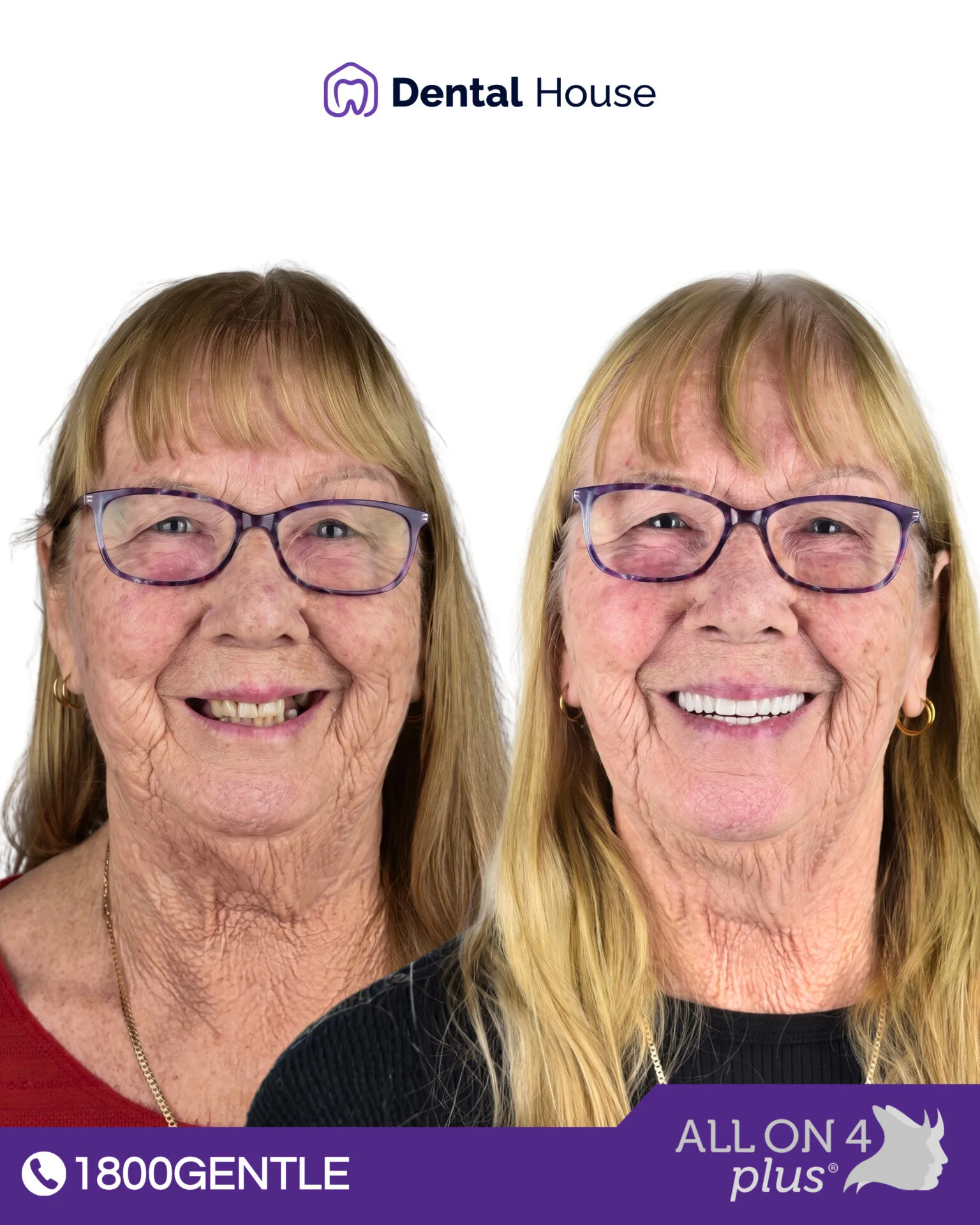
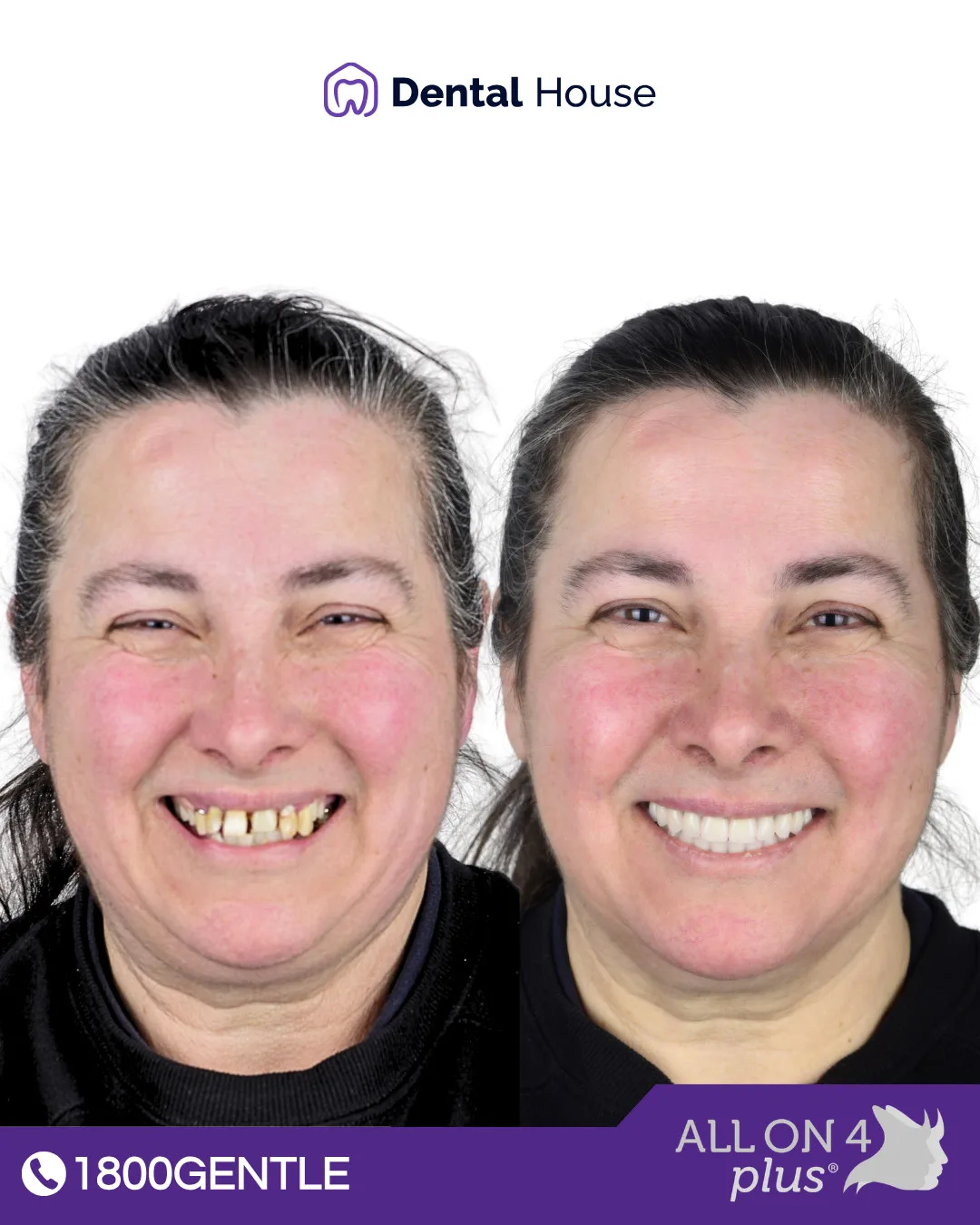
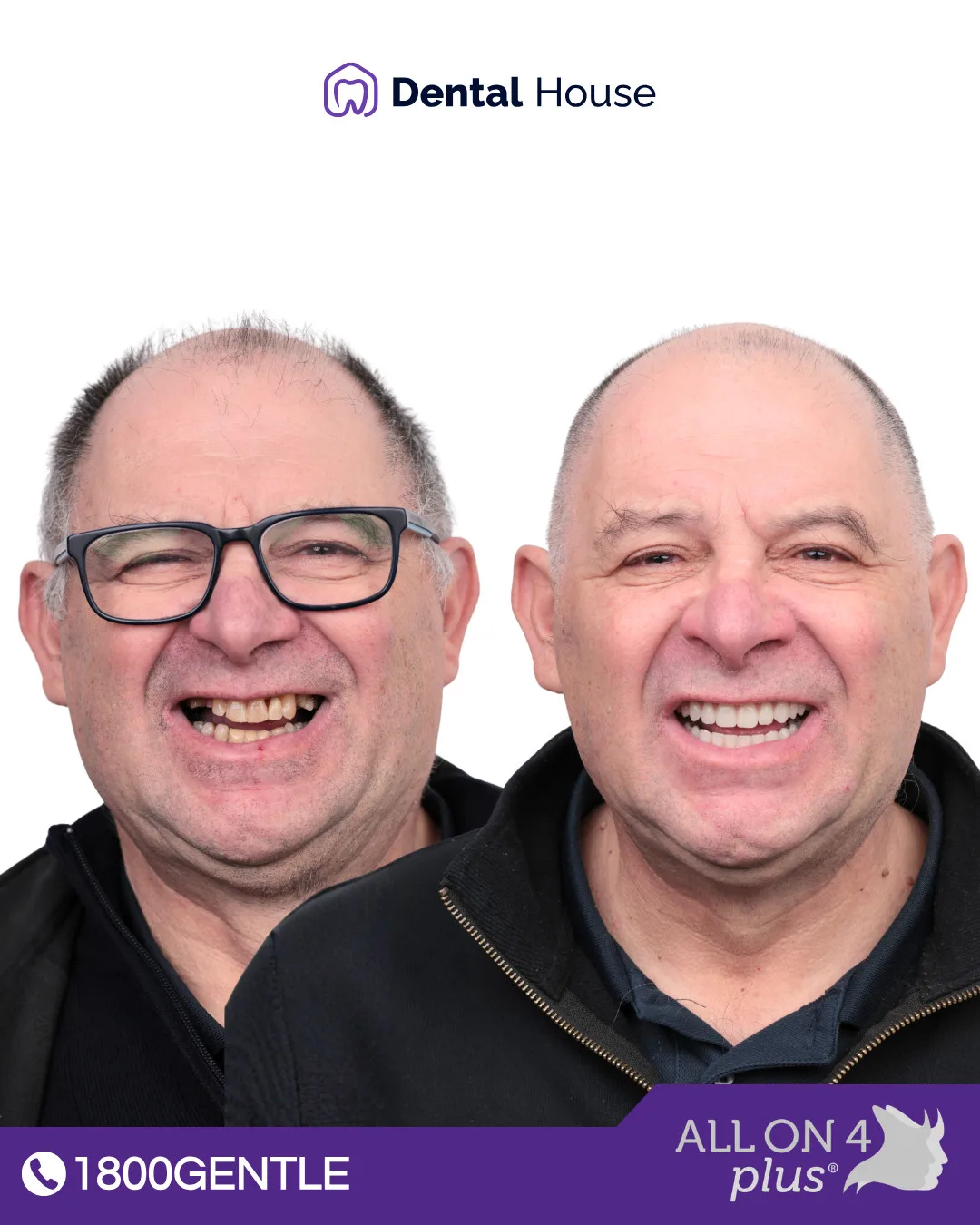


When several teeth in a row are gone, does one side do all the chewing? At Greenvale Dental House, an implant bridge fills the gap with a fixed set of teeth.
Losing three, four, or five teeth in a row is a different problem than a single gap. Chewing shifts to wherever teeth remain, those teeth wear faster under the extra work, and the long stretch of jawbone beneath the gap, with no roots to keep it active, slowly begins to thin.
An implant bridge addresses the whole run at once: a fixed set of replacement teeth held in place by implants, rather than a plate you take in and out, or reshaping the healthy teeth on either side.
Instead of an implant for every missing tooth, an implant bridge uses a few well-placed posts to carry the lot. Two or more implants go in at either end of the gap, and a bridge of replacement teeth spans between them.
Unlike a traditional bridge, it does not lean on the neighbouring teeth or call for them to be reshaped. The implants sit in the jaw itself, which can also help keep the bone in that stretch from thinning further.
Every case is assessed on its own, but an implant bridge is generally worth considering when these line up.
You are missing roughly three to five consecutive teeth and want a fixed replacement, without a removable plate or reshaping the teeth beside the gap.
Enough bone at the planned implant sites and gums free of active disease both matter. If bone has been lost, we can talk through grafting at your assessment.
A bridge like this rewards steady cleaning and regular professional care. Knowing what the upkeep involves from the start sets it up to do well over time.
Timelines depend on how many teeth are being replaced, the bone, and how you heal. Most cases run like this.

Your dentist examines the gap, checks the bone and spacing, and uses imaging to plan where the implants should sit for steady support. (1 visit, about 60 to 90 minutes)

We go through the bridge design, where the implants will go, the alternatives, and whether any groundwork such as grafting is needed first. (Same visit or a follow-up, about 45 to 60 minutes)

The supporting implants are placed under local anaesthetic. Sedation, including in-house IV sedation, is available if you find it difficult. (1 visit, about 90 to 120 minutes)

The implants fuse with the bone over the following months. A temporary can keep the gap filled while you heal, and we check in along the way. (Usually 3 to 6 months)

Digital impressions are taken and the bridge is built to fill the gap naturally, with a trial fitting to confirm the fit and bite before the final one is made. (2 to 3 visits over 3 to 4 weeks)

The finished bridge is secured to the implants, and regular reviews and good home care keep it working well. (Then reviews, usually every 6 months)
An implant bridge involves surgery, so it is worth understanding the risks and recovery before going ahead.
Possible risks include:
Recovery considerations:


It depends on how many teeth are missing and the bone at each site, but two to three implants can often carry a bridge replacing three to four teeth. Your assessment settles the right number and where they sit.
A traditional bridge rests on crowns over the teeth either side of the gap, so those healthy teeth have to be reshaped. An implant bridge anchors to implants in the jaw instead, leaving the neighbouring teeth alone and helping hold the bone in that area.
Implant bridges suit runs of about three to five consecutive teeth. Longer gaps may need more implants or a different approach, such as a full-arch restoration. We will talk through which option fits at your assessment.
We offer flexible payment plans to suit your budget. Get the dental care you need, when you need it.


If you have a run of missing teeth, the first step is a look at the gap and the bone around it. Book a consultation at Greenvale Dental House and we will talk through whether an implant bridge fits, what it involves, and what it costs. There is no pressure to go ahead. Call us or book online to visit Greenvale Dental House.
Disclaimer: The material posted is for informational purposes only and is not intended to substitute for professional medical advice, diagnosis or treatment. Results vary with each patient. Any dental procedure carries risks and benefits. If you have any specific questions about any dental and/or medical matter, you should consult your dentist, physician or other professional healthcare providers.

Take the first step today. Fill out the form and we’ll contact you to arrange your consultation with our gentle Greenvale team.


