

Root Canal Treatment Followed by a Dental CrownRead more
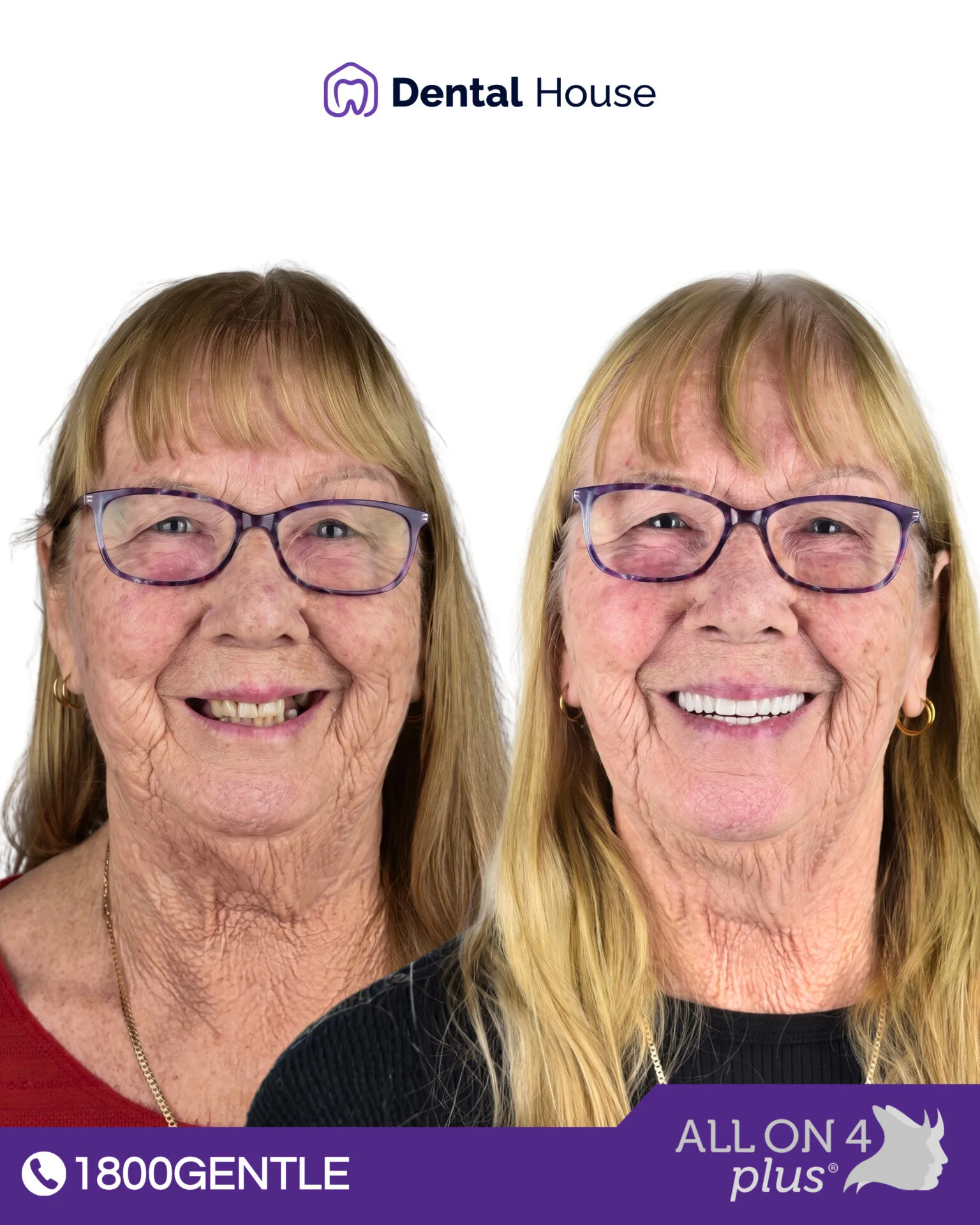
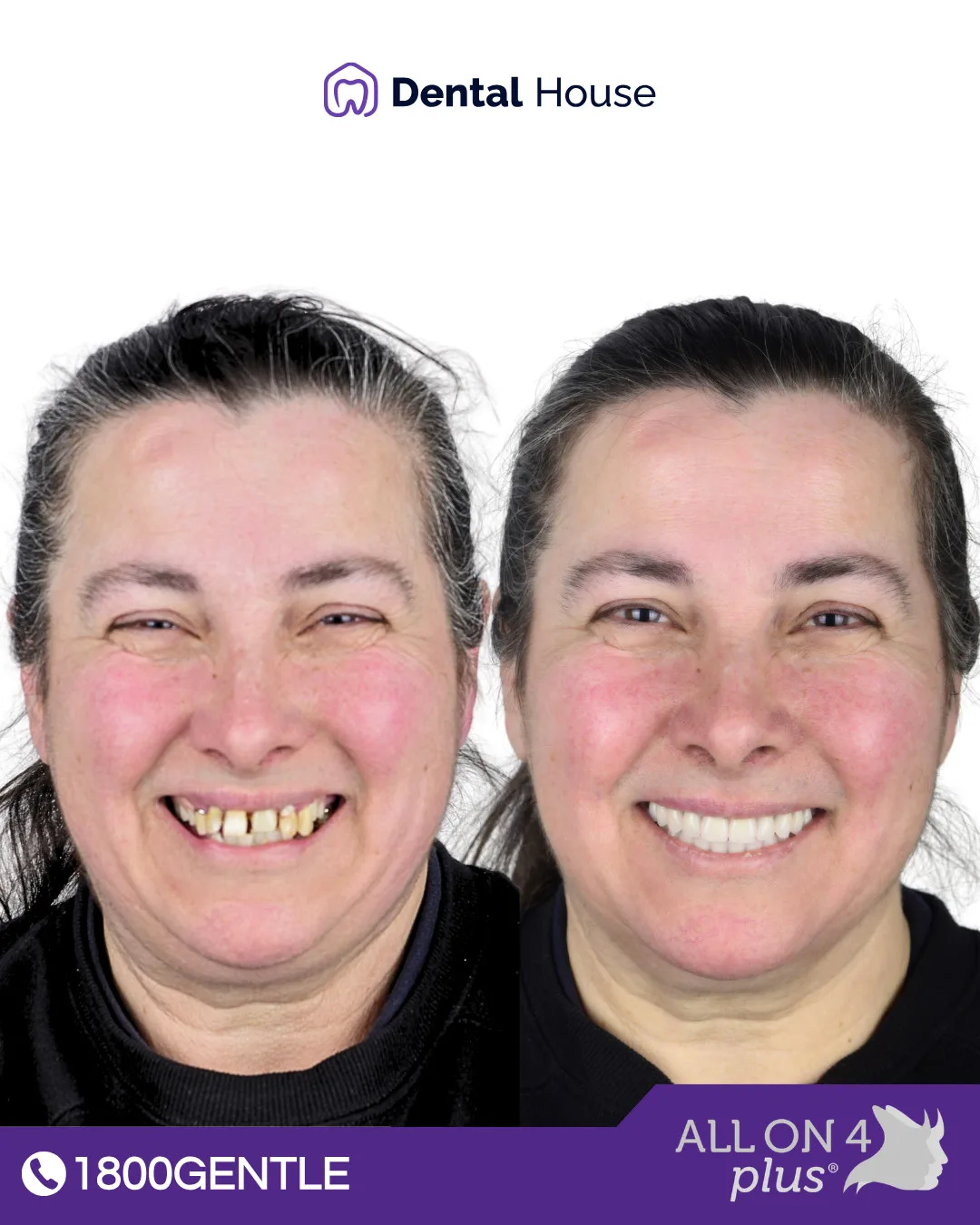
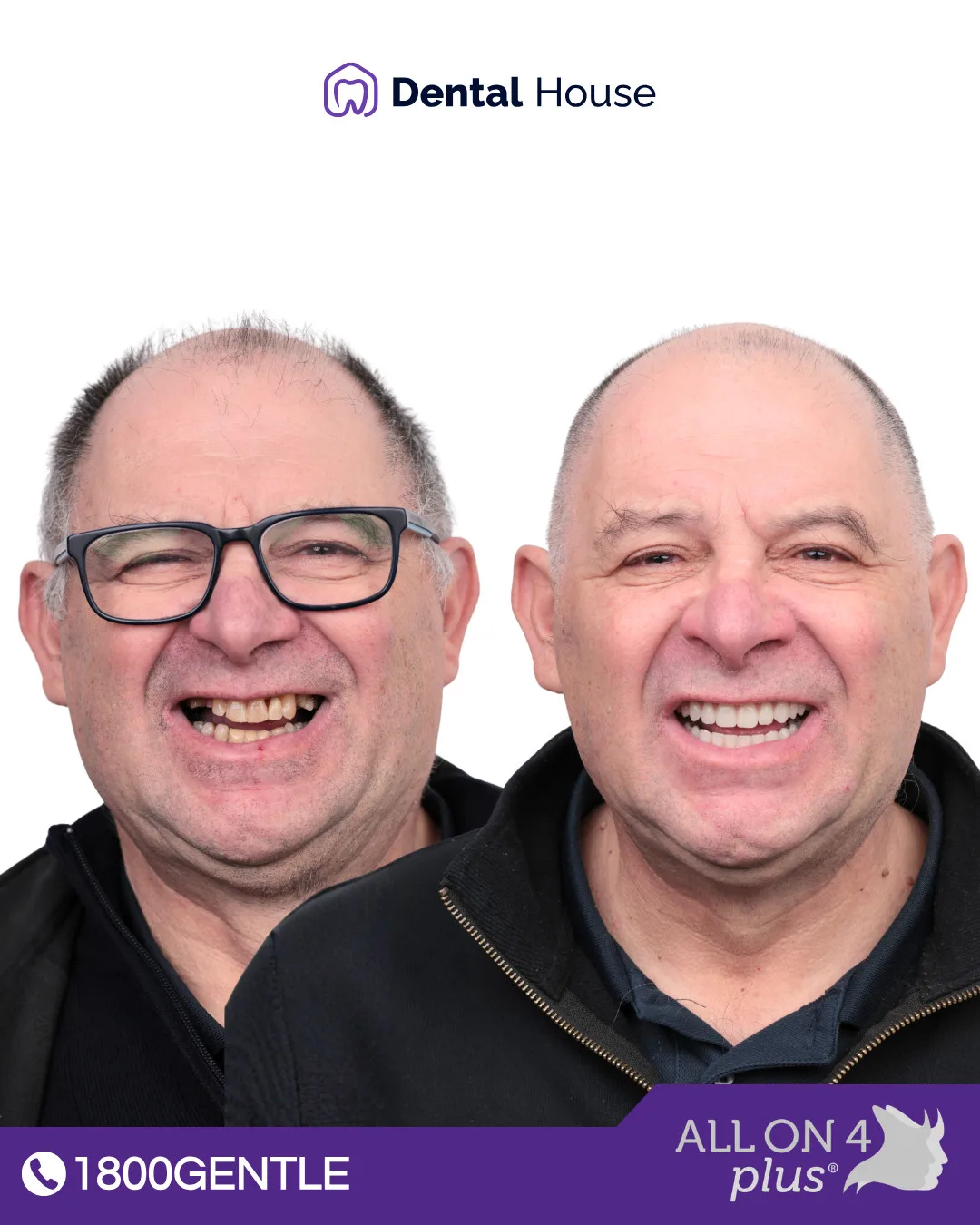


An old filling that has finally given up, or a crack you have lived with for years? At Greenvale Dental House, we repair damaged teeth while saving as much natural tooth as we can.
Teeth do not always fail dramatically. Sometimes it is a crack that has been there for years, a filling that has finally given up, or decay that has quietly worked its way deeper than expected. Whatever the cause, a tooth that has lost significant structure needs attention before the damage compounds. We have been helping families across Melbourne’s north-west sort out exactly these kinds of problems for nearly 40 years. The earlier we can step in, the more of the natural tooth we can usually save.
Tooth restoration covers the full range of treatments designed to repair what decay, trauma, or wear has taken away. That includes direct restorations placed in a single visit, such as composite fillings, and indirect restorations made in a laboratory, such as crowns, inlays, onlays, and ceramic veneers. Between those two ends of the spectrum there is plenty of middle ground, and the right approach depends on how much tooth remains, where it sits in the mouth, and what it needs to do.
Restoration treatment covers a wide range of situations, and each one needs its own assessment. Generally, here is what needs to be in place.
There is decay, damage, or wear affecting how the tooth functions or likely to worsen without treatment. You would rather keep the natural tooth where that is a realistic option than move straight to extraction.
Gum health and the condition of the surrounding teeth factor into what is possible. Where there are underlying issues, we address those first. Restorations work best when the foundation they sit on is sound.
A restored tooth still needs looking after. Consistent brushing and flossing, along with regular professional check-ups, are what keep restorations functioning well over the long term.
How long the process takes depends on whether a direct or indirect restoration is needed and the complexity of the case. Here is what to expect.

A thorough examination with digital X-rays to understand the full extent of the damage, work out what type of restoration makes the most sense, and talk through your options clearly. (1 to 2 visits, about 60 to 90 minutes each)

Any underlying problems are dealt with first. Your restoration plan is built around what the tooth needs, not just what is quickest. (Planning completed during assessment or a follow-up visit)

The damaged material is removed and the tooth shaped to receive the restoration. Local anaesthetic keeps you comfortable throughout. (1 visit for direct restorations, or the first visit for indirect, about 60 to 120 minutes)

For direct restorations, the material goes straight in. For indirect, we take detailed impressions and place a temporary restoration while the laboratory does its work. (Same visit for direct, or with a 2 to 3 week laboratory period for indirect)

Skilled dental technicians craft your custom restoration using quality materials, matched precisely to your tooth’s shape, size, and colour. (Typically 2 to 3 weeks between appointments)

Your final restoration is tried in, checked for fit and bite comfort, fine-tuned as needed, and cemented or bonded into place. (1 visit, about 60 to 90 minutes for indirect restorations)
Tooth restoration is one of the most common things we do, but there are still things worth knowing before you start.
Possible risks include:
Recovery considerations:


A direct restoration, such as a filling, is placed and completed in the chair in one visit. An indirect restoration, such as a crown or inlay, is custom-made in a laboratory and fitted at a second appointment. Which approach is right depends on how much tooth structure remains and what the tooth needs to handle functionally. Your dentist will walk you through the options at your assessment.
Quite possibly at first. A new surface and slightly altered shape can take a bit of getting used to. Most people stop noticing within a few days to a week. If the bite feels off, or discomfort continues beyond that, come back and we will adjust it. Getting the bite right matters, and we are happy to fine-tune it.
There is no single answer, because it depends on the material, the location, your bite, and how consistently you look after your teeth. What we do know is that regular check-ups make a real difference, since we can pick up early wear or changes before they turn into something that needs redoing entirely. We cannot give you an exact figure.
We offer flexible payment plans to suit your budget. Get the dental care you need, when you need it.


If a tooth has been giving you trouble, or you know there is something that needs sorting, the right next step is a proper assessment. Book at Greenvale Dental House and our team will tell you honestly what is going on and what the options are. There is no pressure to decide on the day. Call us or book online to visit Greenvale Dental House.
Disclaimer: The material posted is for informational purposes only and is not intended to substitute for professional medical advice, diagnosis or treatment. Results vary with each patient. Any dental procedure carries risks and benefits. If you have any specific questions about any dental and/or medical matter, you should consult your dentist, physician or other professional healthcare providers.

Take the first step today. Fill out the form and we’ll contact you to arrange your consultation with our gentle Greenvale team.


