

Full Dentures Greenvale

Can Full Dentures Address Loose and Discoloured Dentures in Greenvale?
Case Note ID: Dec-2024-FDL
Location: Greenvale Dental House (serving Greenvale, Craigieburn, Roxburgh Park, Coolaroo, Attwood)
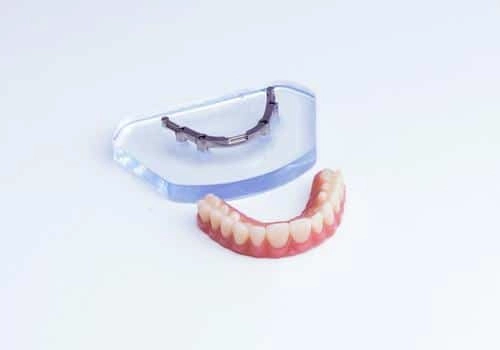
Primary Treatments: Full Upper Denture, Partial Lower Denture
Supporting Technology: Acrylic Denture Systems, Custom Impression Techniques
Presenting Clinical Problem
- Existing upper denture displaying looseness and poor retention
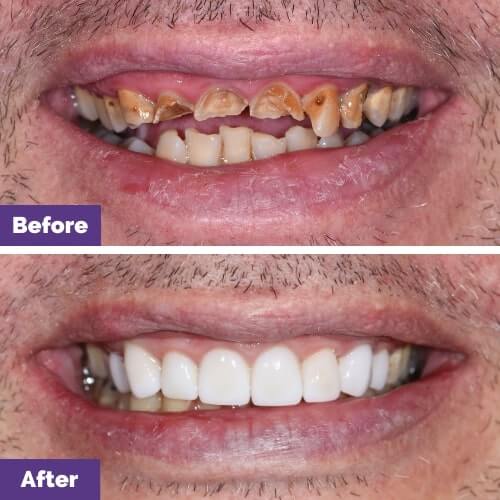
- Visible discolouration on existing denture base despite regular cleaning
- Speech difficulties associated with denture mobility
- Aesthetic concerns regarding denture appearance
- Primary objective: Replace existing dentures to improve function and appearance
Treatment Plan & Clinical Process
Phase 1: Assessment and Treatment Planning
- Comprehensive oral examination and denture assessment
- Evaluation of existing denture fit, retention and appearance
- Assessment of oral tissues and ridge anatomy
- Discussion of denture replacement options and material selection
- Treatment planning for full upper and partial lower denture fabrication
Phase 2: Impression Taking and Denture Fabrication
- Primary and secondary impression techniques for accurate tissue recording
- Jaw relationship recording and vertical dimension establishment
- Tooth selection for shade, size and shape customisation
- Try-in appointment for aesthetic and functional verification
- Laboratory fabrication of final denture prostheses
Phase 3: Denture Delivery and Adjustment
-
- Delivery of final denture prostheses
- Insertion and fit verification
- Occlusal adjustment and function assessment
- Post-insertion care instructions and adjustment protocols
- Schedule for follow-up appointments and denture maintenance
Clinical Outcome
Full upper denture and partial lower denture were fabricated and delivered. Clinical assessment at follow-up revealed improved denture retention and function compared to existing prostheses. The patient maintained appropriate denture hygiene practices following delivery.
Individual denture outcomes vary significantly. Retention depends on ridge anatomy, saliva production and muscle control. All dentures require adjustment periods, with some patients experiencing prolonged adaptation. Denture looseness can recur as ridge resorption continues, requiring relining or replacement. No guarantees can be made about specific outcomes for any individual patient.
Frequently Asked Questions for Greenvale and Craigieburn Patients
Why do dentures become loose over time?
Denture looseness develops as bone resorption occurs beneath the denture base, creating gaps between the denture and underlying tissues. This process is natural and continuous following tooth loss, with rates varying significantly between patients. Regular professional assessment determines whether denture relining, rebasing or replacement is required to maintain adequate fit and function.
How long do acrylic dentures typically last?
Acrylic denture longevity varies significantly, typically ranging from 5-10 years before replacement may be required. Factors affecting lifespan include oral hygiene quality, bite forces, rate of ridge resorption and maintenance practices. Regular professional assessment monitors denture condition and fit over time.
Can new dentures look more natural than old ones?
Modern denture fabrication allows for improved aesthetics compared to older designs. Tooth selection can be customised for shade, size and shape to complement facial features. However, denture appearance depends on ridge position, lip support and facial anatomy. Realistic expectations are essential, as dentures function as replacements and cannot replicate natural dentition exactly.
Disclaimer: The material posted is for informational purposes only and is not intended to substitute for professional medical advice, diagnosis or treatment. Results vary with each patient. Any dental procedure carries risks and benefits. If you have any specific questions about any dental and/or medical matter, you should consult your dentist, physician or other professional healthcare providers.
Disclaimer: The outcomes shown are only relevant for this patient and do not necessarily reflect the results other patients may experience.
Disclaimer: The outcomes shown are only relevant for this patient and do not necessarily reflect the results other patients may experience.
Services We Mentioned:
More Patient Journeys




This has to be the best dental practice I have ever been to (and I’ve been to a few over the years)! Have attended both Sunbury and most recently the Bacchus Marsh Dental House. All the Staff are wonderful. I see Dr. Fong and he is amazing. He makes me feel very comfortable and at ease. He is very personable and always make me laugh. Thanks also to the lovely Hannah who assisted when I had my recent procedure done.
Sobro O
Not just any old dental clinic, made to feel right at Home as soon as I walked in the door. Friendly and caring team and love the color purple throughout!
Scott S.
Had my first visit to Sunbury Dental House last week – they promise a gentle approach and having a crown prep done by Dr Fong after cracking a tooth, I’ve felt comfortable during my dental appointment. Being able to watch a movie during treatment certainly helped! Looking forward to my return visit in a few weeks!

