

Can a Professional Dental Clean Actually Help with Bad Breath?

Worried about bad breath and wondering if a professional dental clean might help? It’s a question many people have but feel too embarrassed to ask. The relationship between dental cleaning and bad breath is more straightforward than you might think, though understanding the underlying causes helps set realistic expectations.
Bad breath, medically known as halitosis, can have various causes ranging from simple oral hygiene issues to more complex health conditions. While a dental clean bad breath treatment approach can address certain causes, it’s important to understand what professional cleaning can and can’t achieve.
Let’s explore how professional dental cleaning relates to bad breath management and when this approach might be beneficial.
Understanding the Common Causes of Bad Breath
Before exploring treatment options, it’s helpful to understand what typically causes bad breath, as this determines which approaches might be most suitable.
Oral-related causes include:
- Bacterial buildup on teeth, gums, and tongue
- Food particles trapped between teeth
- Plaque and tartar accumulation
- Gum disease and inflammation
- Dry mouth conditions
Non-oral causes may include:
- Certain medical conditions
- Medications affecting saliva production
- Respiratory tract infections
- Tobacco use
- Certain dietary factors
Understanding these different causes helps explain why dental clean bad breath treatment approaches work better for some people than others, depending on the underlying factors contributing to their specific situation.
How Professional Dental Cleaning Works
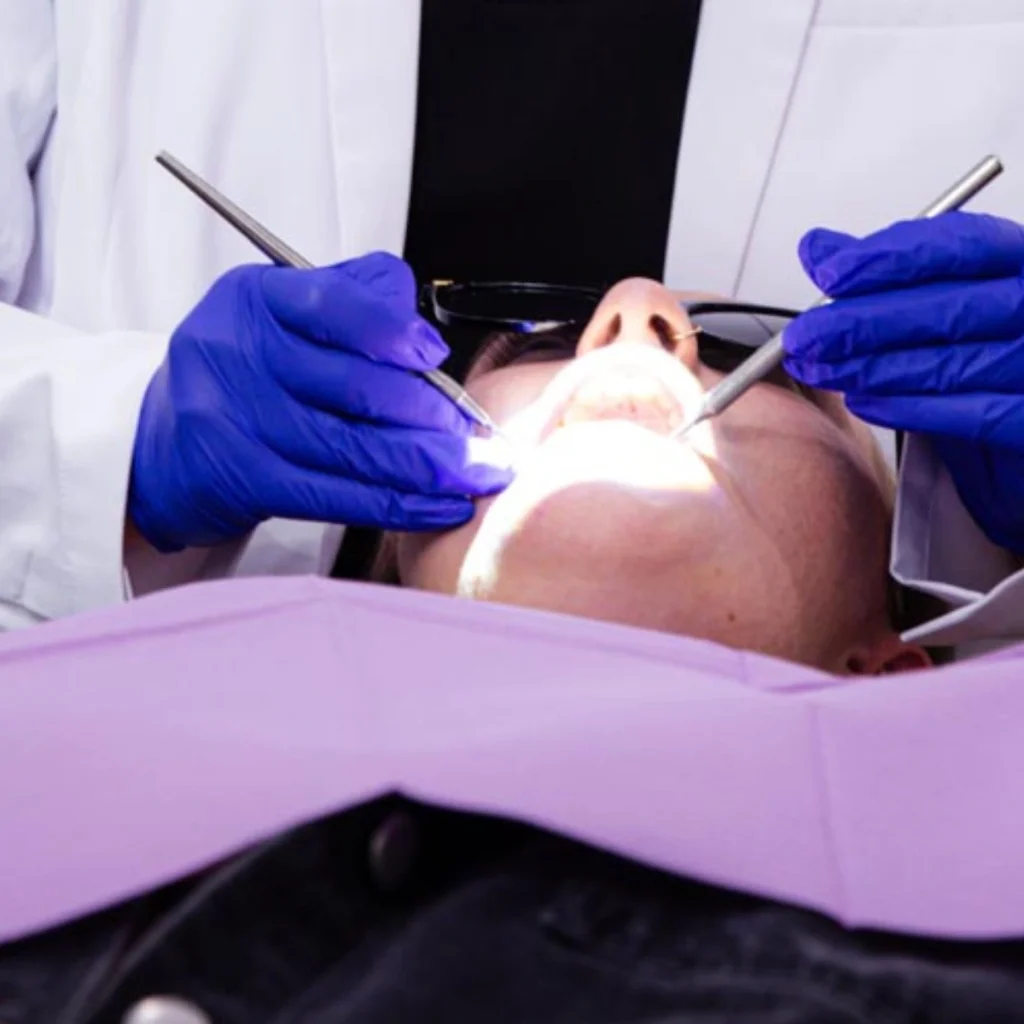
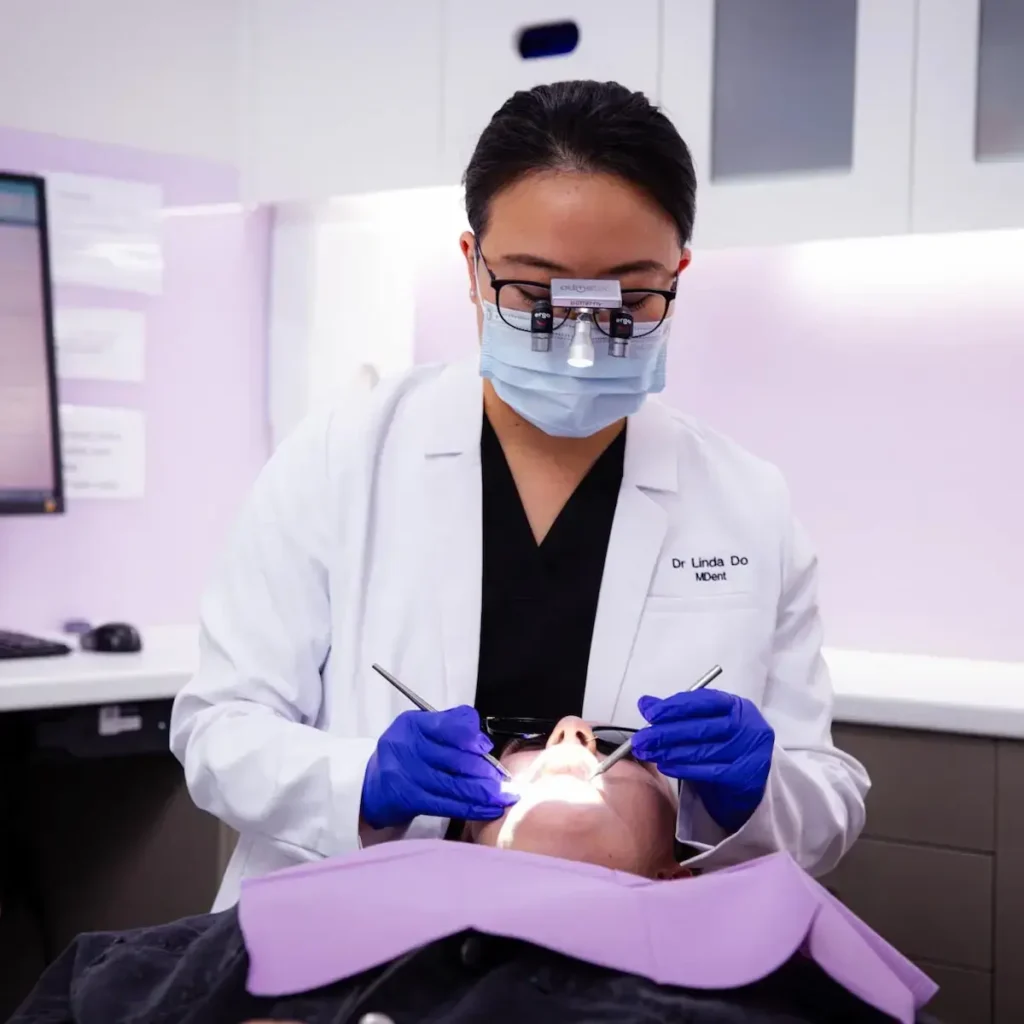
Professional dental cleaning involves removing plaque, tartar, and bacterial buildup that regular home brushing and flossing can’t eliminate completely. This process addresses some common oral causes of bad breath.
The cleaning process typically includes:
- Assessment of your oral health status
- Removal of hardened plaque (tartar) from teeth surfaces
- Cleaning below the gum line where bacteria accumulate
- Polishing of tooth surfaces to remove buildup
- Fluoride treatment in some cases
Areas addressed during professional cleaning:
- Tooth surfaces above and below the gum line
- Spaces between teeth where food particles collect
- Areas around existing dental work
- Gum pockets where bacteria can accumulate
Professional cleaning addresses oral hygiene factors but may not resolve bad breath caused by non-oral conditions or systemic health issues.
When Dental Cleaning May Help with Bad Breath
Professional dental cleaning can be beneficial for bad breath when oral hygiene factors are contributing to the problem.
Situations where dental clean bad breath treatment may be beneficial:
- Plaque and tartar buildup contributing to bacterial growth
- Early stages of gum inflammation
- Poor oral hygiene leading to bacterial accumulation
- Food particles trapped in hard-to-reach areas
Signs that oral factors may be contributing:
- Bad breath that improves temporarily after brushing
- Visible plaque or tartar buildup on teeth
- Gum inflammation or bleeding during brushing
- Food particles regularly getting stuck between teeth
Factors that may improve with professional cleaning:
- Reduction in bacterial load in the mouth
- Removal of food debris and plaque buildup
- Improved gum health and reduced inflammation
- Better access for daily home oral hygiene
According to Australian dental research, professional cleaning can contribute to improved oral hygiene when combined with appropriate home care routines, though individual results vary based on underlying causes.
Understanding the Limitations
While professional dental cleaning can address certain oral causes of bad breath, it’s important to understand the limitations.
Situations where cleaning alone may not resolve bad breath:
- Bad breath caused by medical conditions
- Medication-related dry mouth effects
- Deep gum disease requiring specialized treatment
- Systemic health issues affecting breath odour
- Lifestyle factors like tobacco use
Important considerations:
- Professional cleaning provides temporary improvement in oral cleanliness
- Long-term benefits depend on maintaining good home oral hygiene
- Some people may notice immediate improvement while others may not
- Regular cleaning appointments may be needed for ongoing benefits
When additional treatment might be needed:
- Persistent bad breath despite good oral hygiene
- Signs of advanced gum disease
- Underlying health conditions affecting oral health
- Complex oral health issues needing specialized care
Your dental practitioner can help assess whether professional cleaning is likely to be beneficial for your specific situation.
What to Expect During and After Cleaning
Understanding what to expect helps you make informed decisions about treatment.
During your cleaning appointment:
- Discussion of your bad breath concerns
- Clinical examination of your teeth and gums
- Professional cleaning using specialized instruments
- Assessment of areas where bacteria accumulate
- Discussion of home oral hygiene recommendations
After cleaning:
- Your mouth may feel fresher and cleaner
- Some temporary sensitivity might occur
- You may notice improved breath freshness initially
- Results depend on underlying causes and individual factors
Follow-up considerations:
- Home oral hygiene routine recommendations
- Timeline for follow-up appointments
- Signs that additional evaluation might be needed
Remember that professional cleaning is typically one part of comprehensive oral health management rather than a standalone solution.
Maintaining Results and Long-term Management
The benefits of professional dental cleaning for bad breath concerns depend largely on maintaining good oral hygiene habits.
Home oral hygiene recommendations typically include:
- Regular brushing with fluoride toothpaste
- Daily flossing or interdental cleaning
- Tongue cleaning as part of daily routine
- Using antibacterial mouthwash if recommended
- Staying hydrated to maintain saliva flow
When to seek further evaluation:
- Bad breath persists despite good oral hygiene
- Signs of gum disease or oral health problems
- Underlying health conditions that might contribute
- Medication side effects affecting oral health
Regular dental care considerations:
- Professional cleaning frequency recommendations
- Ongoing assessment of oral health status
- Early detection of potential problems
The goal is developing a comprehensive approach to oral health that addresses your individual needs.
Wrapping It Up
Can a dental clean help reduce bad breath? In many cases, professional cleaning can contribute to fresher breath by addressing oral hygiene factors like plaque buildup and bacterial accumulation. However, the effectiveness of dental clean bad breath treatment depends on the underlying causes and individual circumstances.
Professional cleaning works best when bad breath is related to oral hygiene factors that can be addressed through plaque removal and improved cleanliness. For persistent concerns or cases involving non-oral causes, additional evaluation may be necessary.
The key is understanding that professional cleaning is typically one part of comprehensive oral health management rather than a complete solution for all bad breath concerns.
Concerned about bad breath and wondering about your options? Give Greenvale Dental House a call on (03) 6163 3111 or complete our online enquiry form to book your consultation. Our experienced team can assess your oral health and discuss appropriate approaches for your individual situation.
Frequently Asked Questions
How often should I have professional dental cleaning if I’m concerned about bad breath?
Professional cleaning frequency varies based on individual oral health needs. Many people benefit from cleaning every six months, though some may require more frequent appointments. Your dental practitioner can recommend an appropriate schedule based on your specific situation.
Will I notice immediate improvement in my breath after professional cleaning?
Some people notice immediate improvement in breath freshness after professional cleaning, while others may see gradual improvement over time. Results depend on the underlying causes of bad breath and individual factors. Not everyone will experience significant change from cleaning alone.
What should I do if bad breath persists after professional dental cleaning?
If bad breath continues despite professional cleaning and good oral hygiene, discuss this with your dental practitioner. Persistent bad breath may indicate underlying health conditions or other factors that require different treatment approaches or medical evaluation.
DISCLAIMER:
The content has been made available for informational and educational purposes only. Dental House Group does not make any representation or warranties with respect to the accuracy, applicability, fitness, or completeness of the content.
The content is not intended to be a substitute for professional personal diagnosis or treatment. Always seek the advice of your dentist or another qualified health provider with any questions you may have regarding a dental or medical condition. Never disregard professional advice or delay seeking it because of something you have read or seen on the site.
Services We Mentioned:
More Dental Articles




This has to be the best dental practice I have ever been to (and I’ve been to a few over the years)! Have attended both Sunbury and most recently the Bacchus Marsh Dental House. All the Staff are wonderful. I see Dr. Fong and he is amazing. He makes me feel very comfortable and at ease. He is very personable and always make me laugh. Thanks also to the lovely Hannah who assisted when I had my recent procedure done.
Sobro O
Not just any old dental clinic, made to feel right at Home as soon as I walked in the door. Friendly and caring team and love the color purple throughout!
Scott S.
Had my first visit to Sunbury Dental House last week – they promise a gentle approach and having a crown prep done by Dr Fong after cracking a tooth, I’ve felt comfortable during my dental appointment. Being able to watch a movie during treatment certainly helped! Looking forward to my return visit in a few weeks!

