

Broken Tooth? When to Rush to the Dentist (And When You Can Wait)

Bit into something hard and heard that dreaded crack? Or maybe you’ve been ignoring a chipped tooth for ages and now it’s properly broken? Either way, you’re probably wondering whether this counts as a broken tooth emergency or if it can wait until Monday morning.
The truth is, not all broken teeth need immediate attention, but some definitely do. Knowing the difference could save your tooth – and save you from unnecessary pain. At Greenvale Dental House, we see patients from Greenvale, Craigieburn, and Roxburgh Park dealing with all sorts of tooth fractures, and we’re here to help you figure out when to drop everything and call us.
Types of Broken Teeth – What Are We Dealing With?
Not all tooth breaks are created equal. Some are minor cosmetic issues, while others are proper dental emergencies that need sorting immediately.
Minor chips and cracks:
- Small chips on front teeth (mostly cosmetic)
- Hairline cracks that don’t cause pain
- Rough edges that irritate your tongue
- Broken fillings or crowns (if not painful)
Serious breaks requiring urgent care:
- Large pieces of tooth missing
- Cracks extending below the gum line
- Exposed tooth nerve (you’ll definitely know about this one)
- Severe pain when biting or with temperature changes
- Sharp fragments cutting your mouth
According to the Australian Dental Association, about 25% of dental emergencies involve fractured or broken teeth, making it one of the most common urgent dental issues we see.
Red Flags – When It’s Definitely an Emergency
Severe pain that won’t quit: If you’re in serious pain that over-the-counter painkillers can’t touch, that’s your tooth telling you something’s properly wrong. This usually means the nerve inside your tooth is damaged or exposed – a definite broken tooth emergency.
You can see pink or red inside the tooth: That’s the pulp (nerve and blood vessels) showing through. This needs immediate attention to prevent infection and try to save the tooth. Don’t mess around with this one.
Sharp pain with hot or cold: A quick, sharp pain when you drink something hot or cold that lingers for more than a few seconds usually means the nerve is compromised. This can quickly turn into constant, throbbing pain.
Bleeding from the tooth or gums around it: While a bit of blood isn’t unusual after trauma, ongoing bleeding suggests significant damage that needs professional assessment.
You can’t bite down properly: If your bite feels completely off or you can’t close your teeth together normally, there might be a significant fracture that’s affecting your tooth’s structure.
Sharp edges cutting your mouth: Broken tooth fragments can slice up your tongue, cheeks, or lips. Even if the tooth itself isn’t an emergency, those cuts can get infected and cause bigger problems.
What Can Probably Wait (But Don’t Leave It Too Long)
Small cosmetic chips: Minor chips on front teeth that don’t cause pain can usually wait a few days for repair. Just avoid chewing on that side and be gentle when brushing.
Old fillings that fall out: If there’s no pain and the tooth isn’t sharp, this can typically wait until normal business hours. Just keep the area clean and avoid chewing on that side.
Hairline cracks with no symptoms: These are pretty common and often don’t cause immediate problems. But get them checked soon – they can worsen quickly.
Slightly rough tooth edges: Annoying but not dangerous. You can temporarily smooth rough edges with sugar-free gum or dental wax until you can get proper treatment.
Immediate First Aid for Broken Teeth
For any broken tooth emergency:
- Stay calm – panicking won’t help anyone
- Rinse gently with warm water to clean the area
- Save any large pieces – we might be able to reattach them
- Control bleeding with clean gauze or cloth
- Take pain relief – ibuprofen works well for dental pain
- Call us immediately on (03) 6163 3111
For exposed nerves or severe pain:
- Apply a cold compress to the outside of your face (15 minutes on, 15 minutes off)
- Avoid extremely hot or cold foods and drinks
- Don’t put aspirin directly on the tooth (this can burn your gums)
- Oil of cloves can provide temporary pain relief if you have it
Protect sharp edges:
- Use sugar-free gum or dental wax to cover sharp pieces
- This prevents further damage to your soft tissues
- Don’t use regular gum – the sugar isn’t great for an already compromised tooth
What We’ll Do During Your Emergency Visit
When you come in with a broken tooth emergency, here’s what happens:
Assessment phase:
- We’ll examine the tooth and surrounding area thoroughly
- Take X-rays to see the extent of damage below the gum line
- Test the tooth’s nerve response to determine if it’s still healthy
- Check your bite and jaw alignment
Immediate treatment options:
- Simple bonding for minor chips and cracks
- Crown placement for larger breaks that don’t affect the nerve
- Root canal therapy if the nerve is damaged but salvageable
- Extraction only if the tooth can’t be saved
Pain management: We’ll get you comfortable first, then work on fixing the problem. Most people are surprised by how quickly we can relieve the pain once we start treatment.
Prevention Tips (Because Prevention Beats Emergency Treatment)
Avoid the usual suspects:
- Don’t chew ice, hard lollies, or popcorn kernels
- Never use your teeth as tools (opening packages, bottles, etc.)
- Wear a mouthguard for contact sports
- Get a nightguard if you grind your teeth
Regular maintenance:
- Keep up with check-ups so we can spot weak teeth early
- Replace old, large fillings before they fail
- Don’t ignore small chips – they often get bigger
- Maintain good oral hygiene to keep teeth strong
Diet considerations:
- Limit sugary and acidic foods that weaken tooth enamel
- Eat calcium-rich foods to keep teeth strong
- Drink plenty of water to wash away harmful bacteria
According to dental studies, people who wear mouthguards during sports are 60 times less likely to experience dental injuries.
When in Doubt, Call Us
Here’s the thing about broken tooth emergencies – they rarely get better on their own, and they often get worse quickly. What starts as a small crack can turn into a massive problem if left untreated.
Trust your instincts: If something feels seriously wrong, it probably is. We’d much rather see you for a false alarm than have you suffer through a weekend with a tooth that could have been easily fixed.
Consider the timing: Broken teeth don’t follow business hours. That’s why we have emergency protocols in place. Don’t feel bad about calling outside normal hours if you’re in real pain or distress.
Think about the bigger picture: Saving a natural tooth is almost always better (and cheaper) than replacing it later. Quick action often means simpler, less expensive treatment.
Wrapping It Up
Not every broken tooth is an emergency, but when it is, quick action can make the difference between saving your tooth and losing it. The key signs to watch for are severe pain, visible nerve tissue, significant bleeding, or sharp fragments causing injury.
At Greenvale Dental House, we’re experienced in handling all types of dental emergencies. We’ll get you out of pain quickly and work with you to restore your tooth properly. Don’t suffer in silence – dental emergencies rarely resolve themselves.
Dealing with a broken tooth emergency right now? Call Greenvale Dental House immediately on (03) 6163 3111. We’ll assess your situation over the phone and get you the urgent care you need. For non-urgent broken teeth, you can also complete our online enquiry form to schedule an appointment at your convenience.
Frequently Asked Questions
Can I wait until Monday if I break a tooth on Friday night?
It depends on the severity. If you’re in severe pain, can see pink/red tissue inside the tooth, or have sharp fragments cutting your mouth, don’t wait. Minor chips without pain can usually wait, but call us for phone advice to be sure.
How much does emergency dental treatment cost?
Emergency treatment costs vary depending on what’s needed. Simple repairs might be covered by your health insurance, while more complex procedures like root canals or crowns cost more. We’ll always explain costs upfront and work with you on payment options.
Will a broken tooth always need a crown?
Not necessarily. Small breaks can often be fixed with bonding or fillings. Larger breaks that compromise the tooth’s structure usually need crowns for proper protection. We’ll recommend the most conservative treatment that will give you long-lasting results.
DISCLAIMER:
The content has been made available for informational and educational purposes only. Dental House Group does not make any representation or warranties with respect to the accuracy, applicability, fitness, or completeness of the content.
The content is not intended to be a substitute for professional personal diagnosis or treatment. Always seek the advice of your dentist or another qualified health provider with any questions you may have regarding a dental or medical condition. Never disregard professional advice or delay seeking it because of something you have read or seen on the site.
Services We Mentioned:
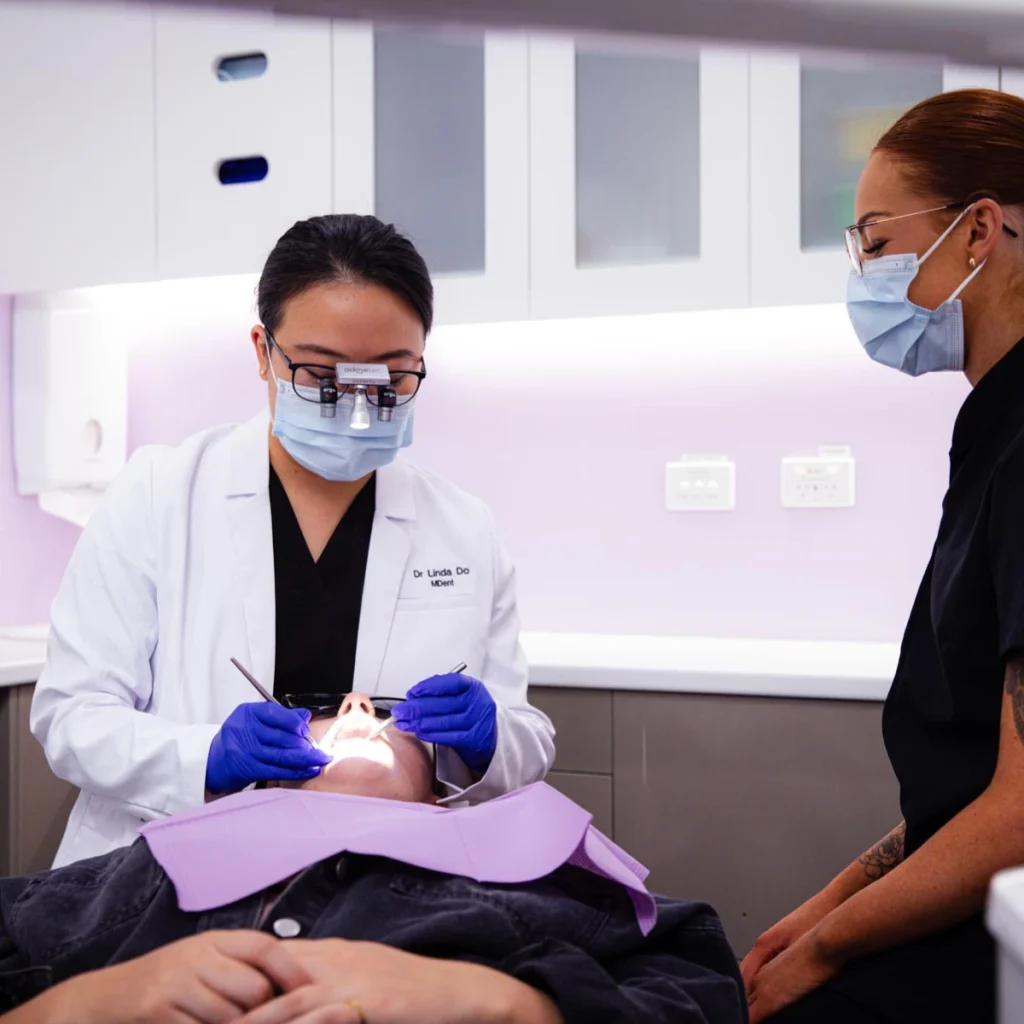


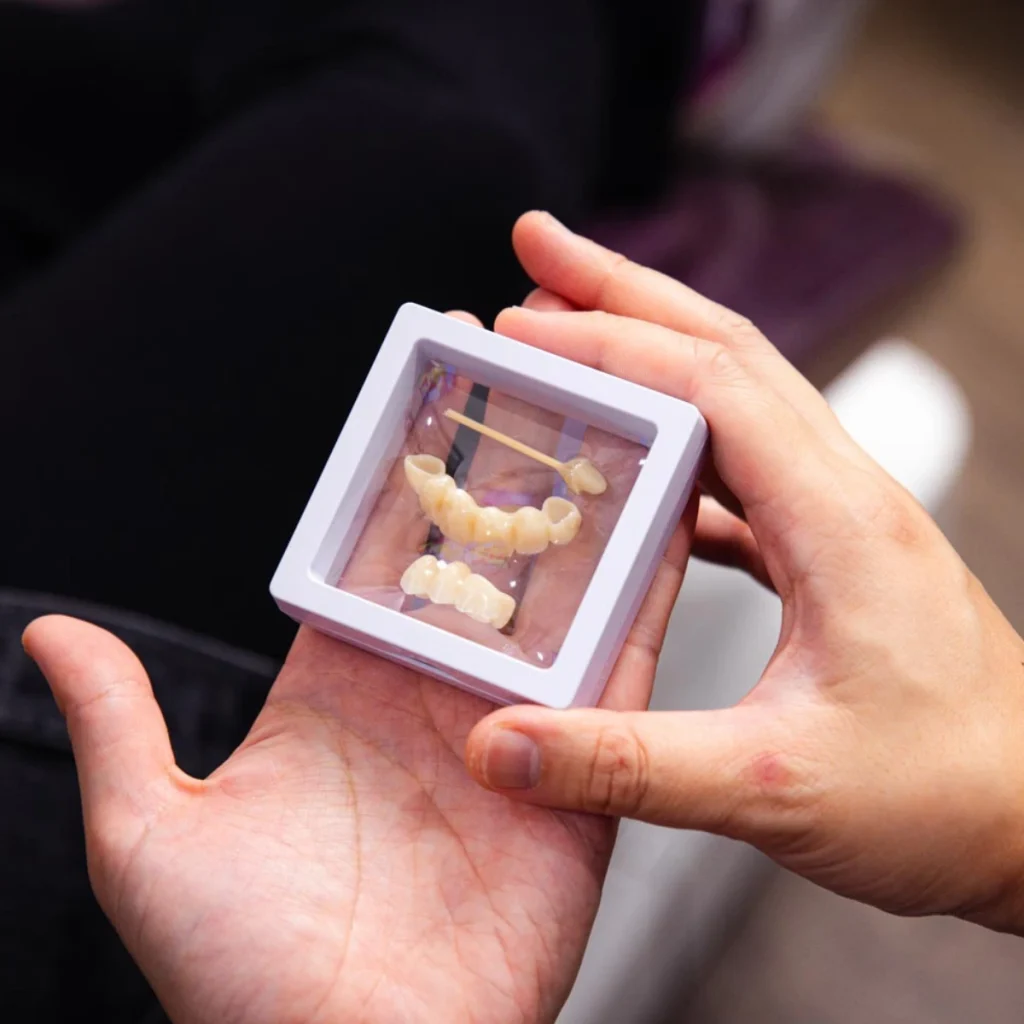
More Dental Articles


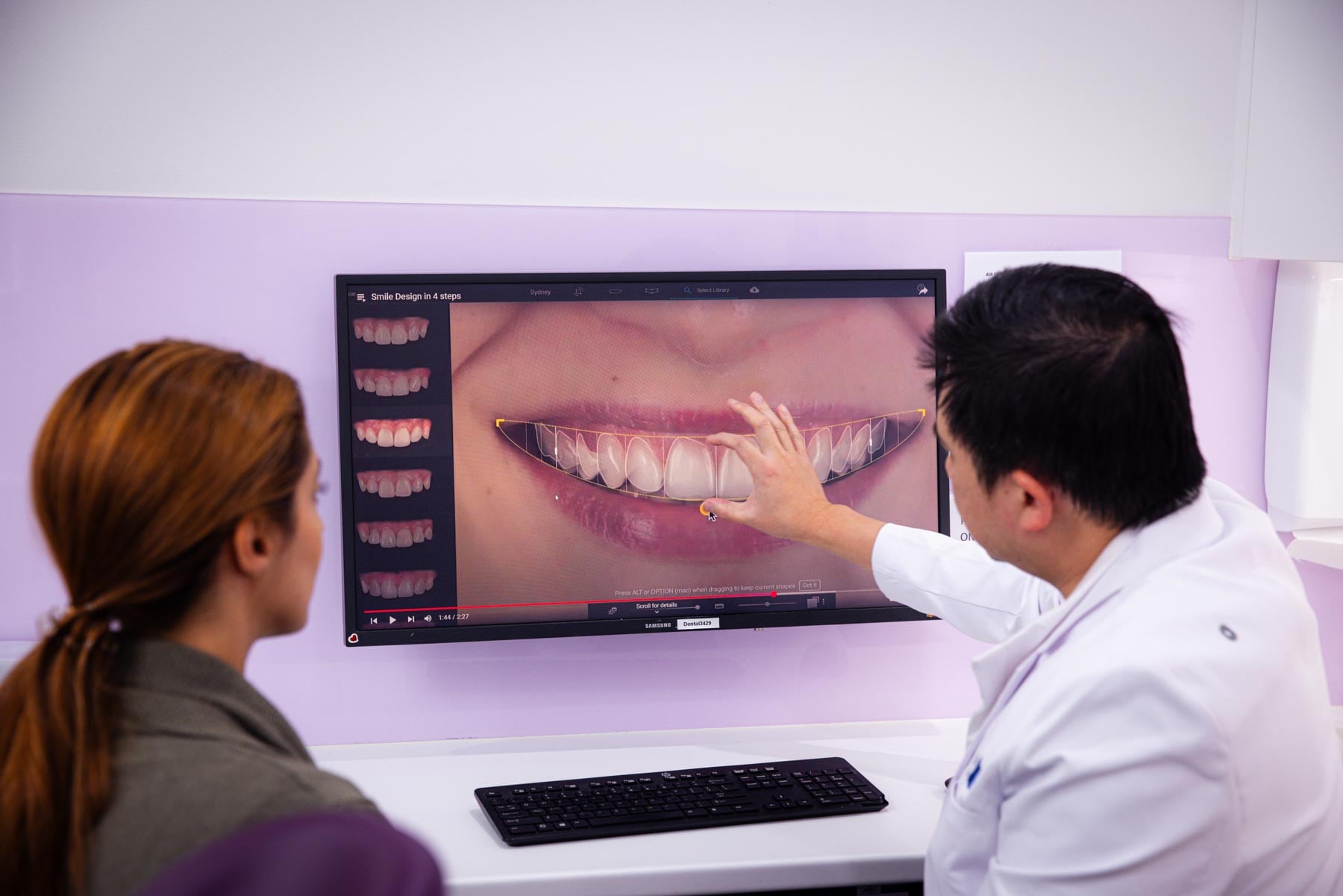
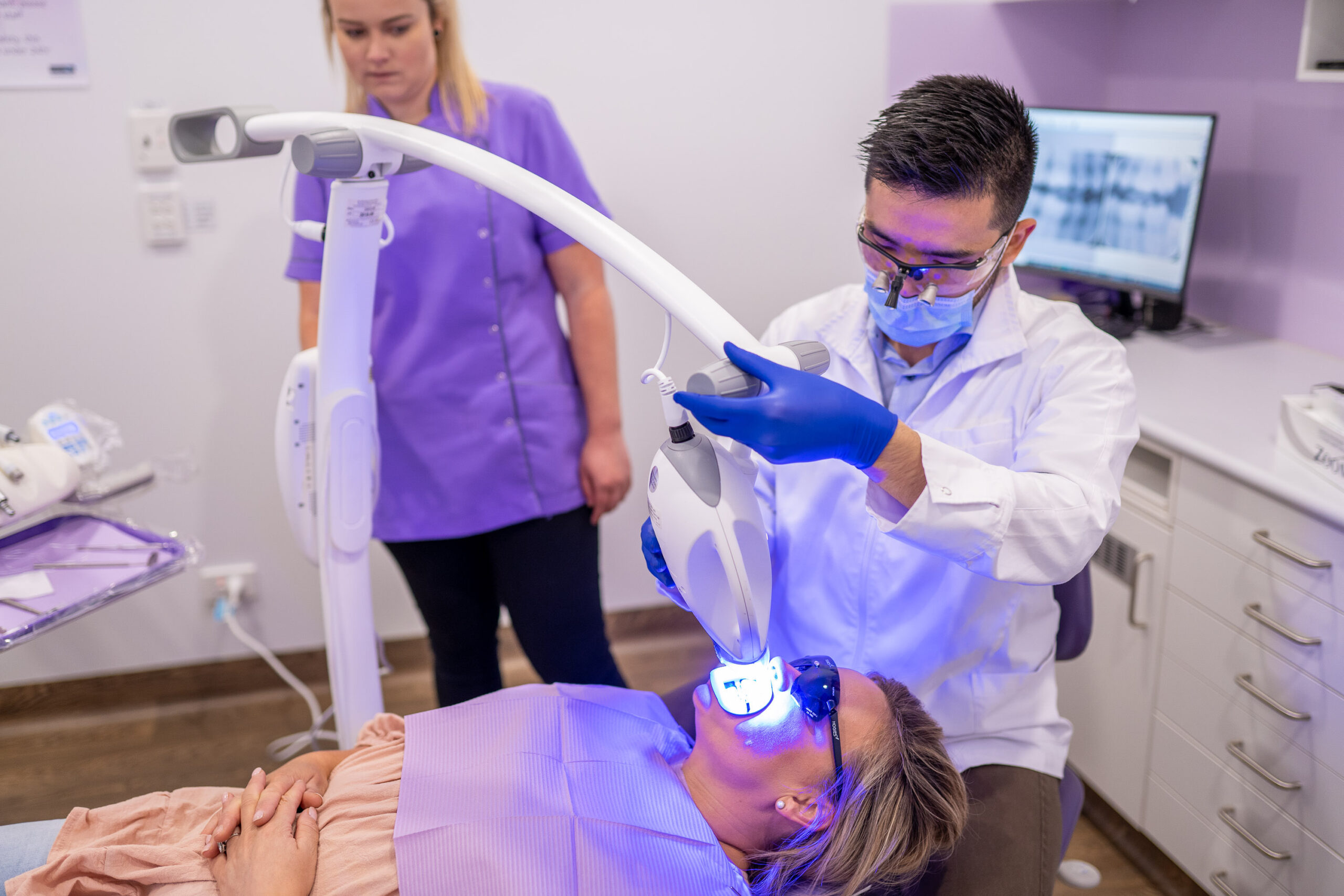


This has to be the best dental practice I have ever been to (and I’ve been to a few over the years)! Have attended both Sunbury and most recently the Bacchus Marsh Dental House. All the Staff are wonderful. I see Dr. Fong and he is amazing. He makes me feel very comfortable and at ease. He is very personable and always make me laugh. Thanks also to the lovely Hannah who assisted when I had my recent procedure done.
Sobro O
Not just any old dental clinic, made to feel right at Home as soon as I walked in the door. Friendly and caring team and love the color purple throughout!
Scott S.
Had my first visit to Sunbury Dental House last week – they promise a gentle approach and having a crown prep done by Dr Fong after cracking a tooth, I’ve felt comfortable during my dental appointment. Being able to watch a movie during treatment certainly helped! Looking forward to my return visit in a few weeks!

