

Fresh Extraction, New Implant: What You Need to Know About Timing

Just had a tooth extracted and wondering if you can get a dental implant right away? It’s one of the most common questions in modern dentistry, and the answer is more nuanced than you might think.
The timing of dental implant placement after extraction depends on several factors that need careful assessment. While immediate placement might be possible in some cases, it’s not suitable for everyone and comes with specific considerations.
Let’s explore what determines whether immediate dental implant placement after extraction could work for your situation.
What Is Immediate Dental Implant Placement?
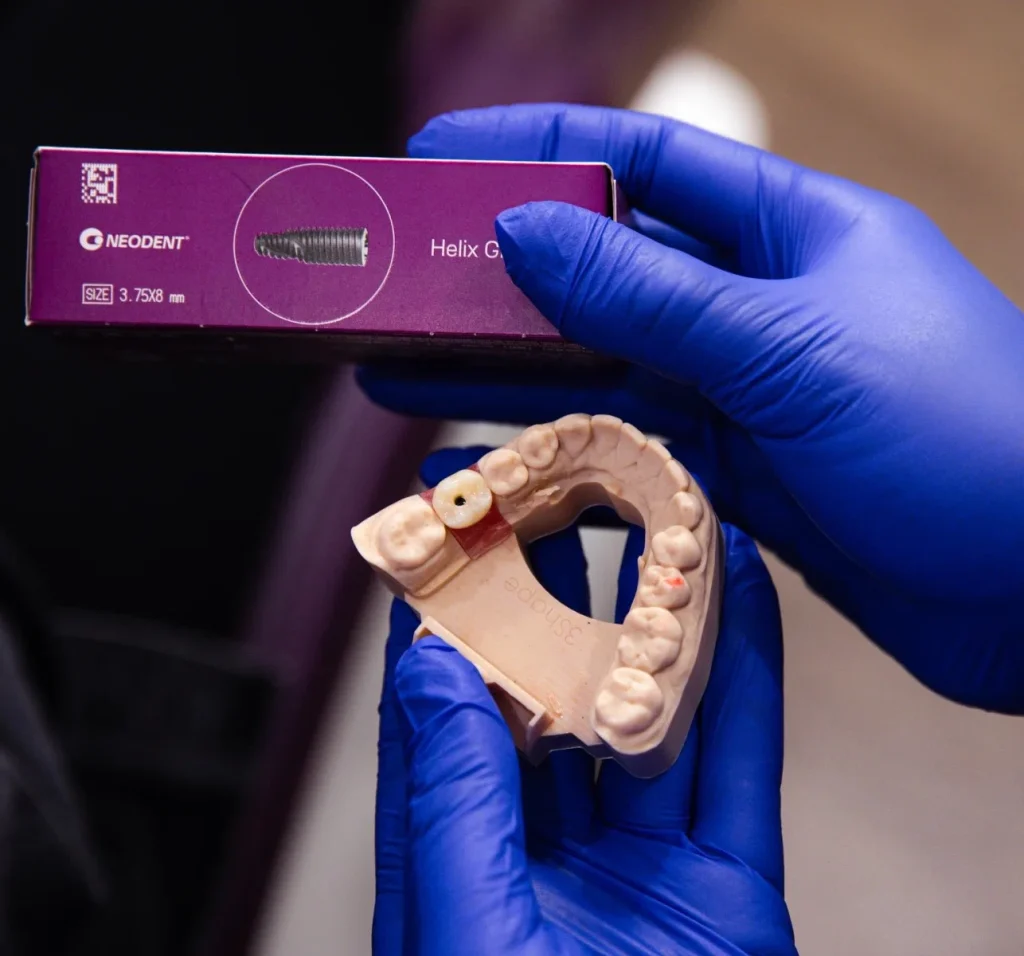
Immediate dental implant placement after extraction means popping your implant into the extraction socket during the same appointment as your tooth removal. Instead of waiting months for healing, your dentist can place the implant straight away if conditions are right.
The Australian Dental Association notes that immediate implant placement can be considered when specific clinical conditions are met.
Here’s what typically happens:
- Gentle tooth removal to protect surrounding bone and tissue
- Thorough cleaning of the extraction socket
- Assessment of socket size and bone quality
- Implant placement if conditions are suitable
- Possible bone grafting material placement
Keep in mind:
- Not every extraction site works for immediate placement
- Success depends on various patient and site factors
- Thorough assessment is essential
- Sometimes waiting is actually the better option
When Might Immediate Placement Be Possible?
Immediate dental implant placement after extraction needs specific conditions to be considered. Your dentist will check several factors to see if this approach might suit you.
Clinical conditions that may support immediate placement:
- Enough bone thickness around the extraction site
- No active infection or major inflammation
- Intact bone walls around the socket
- Sufficient bone height for stable implant placement
- Good overall oral health
- Non-smoking status
Your personal factors matter too:
- Overall health and how well you heal
- Any medications that might affect healing
- Previous gum disease history
- Commitment to following post-op instructions
- Realistic expectations about results
The extraction itself also plays a role:
- Why the tooth needed removing
- Condition of surrounding tissues
- Size and shape of the socket
- Any complications during removal
Even when everything looks good, immediate placement might not always be the best choice for your particular situation.
The Potential Upsides and Things to Consider
When immediate dental implant placement after extraction is clinically appropriate, there can be some advantages. However, it’s important to understand both the potential benefits and the limitations.
Potential advantages might include:
- Fewer surgical appointments
- Shorter treatment time in some cases
- Better preservation of bone structure
- Maintaining gum shape and position
Important limitations to understand:
- More technically challenging procedure
- Higher risk of implant positioning issues
- Potentially less stable initial placement
- Limited visibility during surgery
- Might need additional bone grafting
- Higher chance of complications in some cases
Risks to be aware of:
- Implant might not integrate properly
- Infection at the surgical site
- Damage to nearby teeth or structures
- Need for additional procedures
- Results might not meet aesthetic expectations
- Extended healing in some cases
Your dentist will discuss these factors thoroughly and help you understand whether the potential benefits outweigh the risks for your specific case.
When Waiting Might Be Better
In many situations, conventional delayed implant placement is actually the more predictable approach. This means letting the extraction site heal completely before placing your implant.
Delayed placement is often recommended when:
- There’s active infection or significant inflammation
- Not enough bone width or height
- Damaged bone walls around the extraction site
- Large sockets that won’t provide good stability
- Previous failed root canal with infection
- Healing might be compromised
The delayed approach involves:
- 3-6 months of healing after extraction
- Possible bone grafting during healing
- Assessment of the healed site
- Implant placement when conditions are optimal
- Additional healing before final crown
According to Australian dental research, conventional delayed placement remains the gold standard for many situations, especially when extraction sites are challenging.
Your Assessment and Treatment Planning
If you’re considering dental implant treatment after a recent extraction, a thorough assessment helps determine the best approach for you.
Your examination will include:
- Review of your medical and dental history
- Check of the extraction site and surrounding areas
- Assessment of bone quality and quantity
- Soft tissue evaluation
- Overall oral health review
Imaging that might be needed:
- X-rays of the area
- 3D scans in many cases
- Assessment of important structures
- Measurement of available bone
We’ll discuss:
- All your treatment options
- Risks and benefits of each approach
- Timeline expectations
- Cost considerations
- Post-treatment care needs
This comprehensive assessment ensures treatment recommendations are based on your individual circumstances rather than a one-size-fits-all approach.
Making the Right Decision for You
The choice about timing for your dental implant should be made together with your dental team, based on understanding your individual situation and goals.
Important things to discuss:
- Your specific suitability for different approaches
- Realistic expectations about outcomes and timing
- Understanding of risks and potential complications
- Long-term care requirements
- Alternative treatments available
Remember, the goal is achieving long-term success rather than just the fastest treatment. Whether that involves immediate placement, waiting for healing, or exploring alternatives depends on your unique circumstances.
At Greenvale Dental House, we’re committed to helping you understand all your options and make informed decisions about your dental implant treatment.
Wrapping It Up
Can dental implants be placed immediately after tooth extraction? Sometimes, but it depends on many factors that need professional evaluation. While immediate dental implant placement after extraction might be possible in certain situations, it’s not universally suitable and involves specific considerations.
The most important thing is thorough assessment to determine the approach that offers the best long-term results for your individual case. Whether that’s immediate placement, delayed placement, or alternative options, the decision should be based on careful evaluation of all relevant factors.
Ready to explore your dental implant options? Give Greenvale Dental House a call on (03) 6163 3111 or complete our online enquiry form to book your comprehensive consultation. Our experienced team can assess your situation and explain all available treatment options.
Frequently Asked Questions
How long should I wait for an implant if immediate placement isn’t suitable?
If immediate placement is not appropriate, conventional delayed placement typically involves 3-6 months of healing following extraction. This timeframe allows for adequate bone healing and remodelling before implant surgery. Your practitioner will determine the optimal timing based on your specific healing progress.
What are the success rates for immediate versus delayed implant placement?
Success rates vary depending on multiple factors including case selection, patient factors, and practitioner experience. Your dental practitioner can provide information about success rates relevant to your specific clinical situation during your consultation.
Are there any alternatives if I’m not suitable for immediate implant placement?
Yes, several alternatives may be available including conventional delayed implant placement, removable partial dentures, or fixed bridgework. Your dental practitioner will discuss all appropriate options based on your individual circumstances and treatment goals.
DISCLAIMER:
The content has been made available for informational and educational purposes only. Dental House Group does not make any representation or warranties with respect to the accuracy, applicability, fitness, or completeness of the content.
The content is not intended to be a substitute for professional personal diagnosis or treatment. Always seek the advice of your dentist or another qualified health provider with any questions you may have regarding a dental or medical condition. Never disregard professional advice or delay seeking it because of something you have read or seen on the site.
Services We Mentioned:
More Dental Articles




This has to be the best dental practice I have ever been to (and I’ve been to a few over the years)! Have attended both Sunbury and most recently the Bacchus Marsh Dental House. All the Staff are wonderful. I see Dr. Fong and he is amazing. He makes me feel very comfortable and at ease. He is very personable and always make me laugh. Thanks also to the lovely Hannah who assisted when I had my recent procedure done.
Sobro O
Not just any old dental clinic, made to feel right at Home as soon as I walked in the door. Friendly and caring team and love the color purple throughout!
Scott S.
Had my first visit to Sunbury Dental House last week – they promise a gentle approach and having a crown prep done by Dr Fong after cracking a tooth, I’ve felt comfortable during my dental appointment. Being able to watch a movie during treatment certainly helped! Looking forward to my return visit in a few weeks!

