

Same-Day CEREC Crown Case Study in Melbourne
Can Same-Day CEREC Crowns Restore Damaged Teeth in Melbourne?
Case Note ID: Dec-2024-CEREC-GV
Location: Greenvale Dental House (serving the Melbourne and surrounding areas)
Primary Treatments: Same-day CEREC porcelain crown
Supporting Technology: CEREC CAD/CAM digital milling system, intraoral scanning
Presenting Clinical Problem
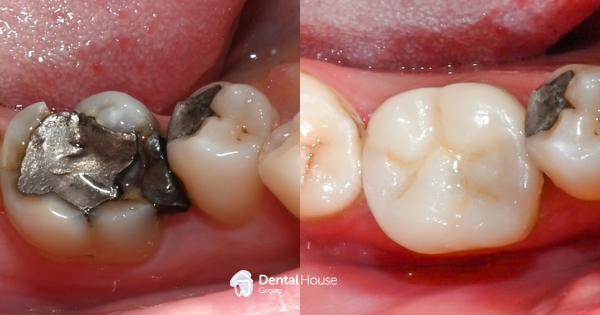
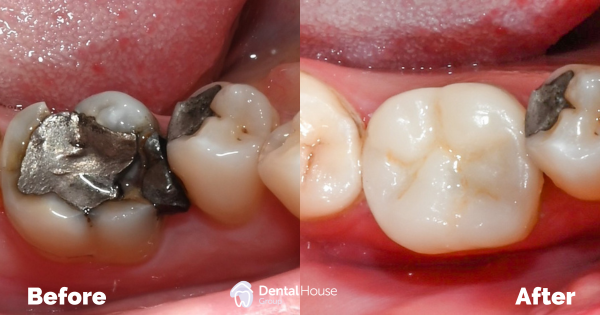
- Distorted existing amalgam restoration compromising tooth structure
- Risk of further tooth fracture without protective restoration
- Patient preference for single-appointment treatment approach
- Clinical assessment indicated tooth suitable for ceramic restoration
- Primary objective: Restore structural integrity whilst minimising treatment appointments
Treatment Plan & Clinical Process
Phase 1: Assessment and Digital Planning
- Examination of existing restoration and remaining tooth structure
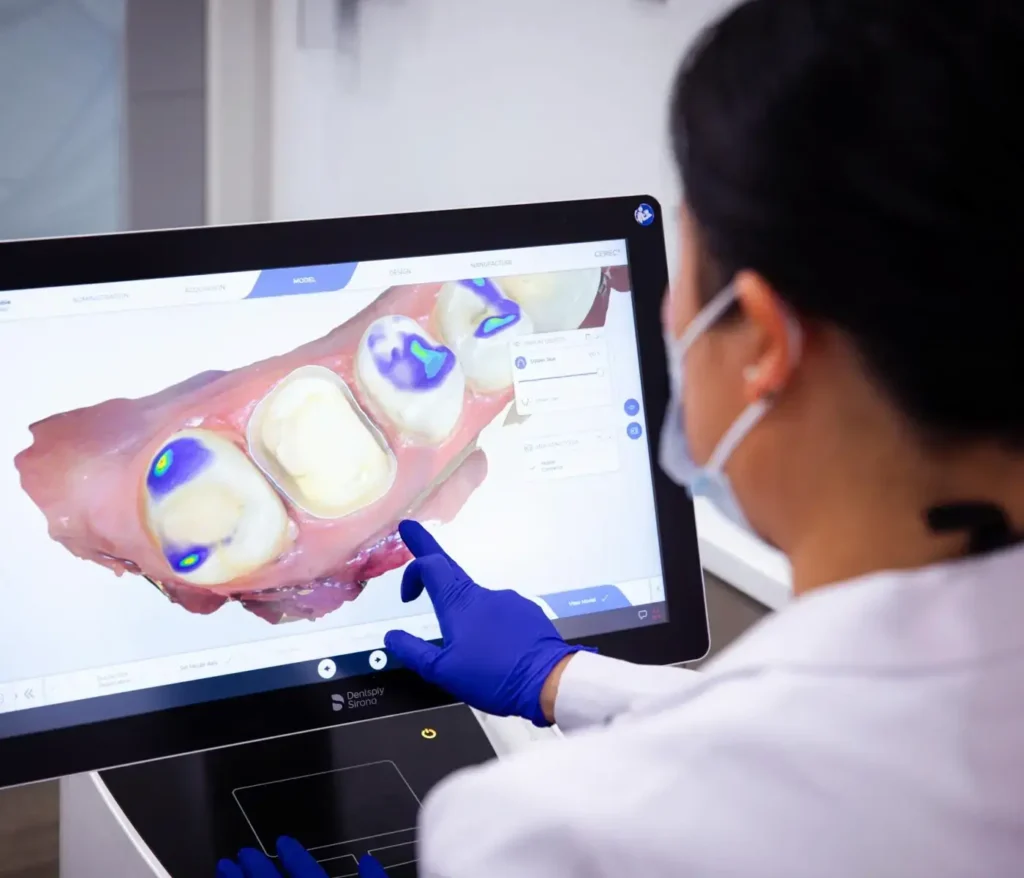
- Intraoral digital scanning to capture tooth preparation and adjacent anatomy
- Computer-aided design of restoration using CEREC software
- Shade selection to match adjacent natural teeth
Phase 2: Same-Visit Crown Fabrication
- Tooth preparation to remove compromised structure and create appropriate geometry
- Digital impression using intraoral scanner
- CAD design of crown restoration customised to individual anatomy
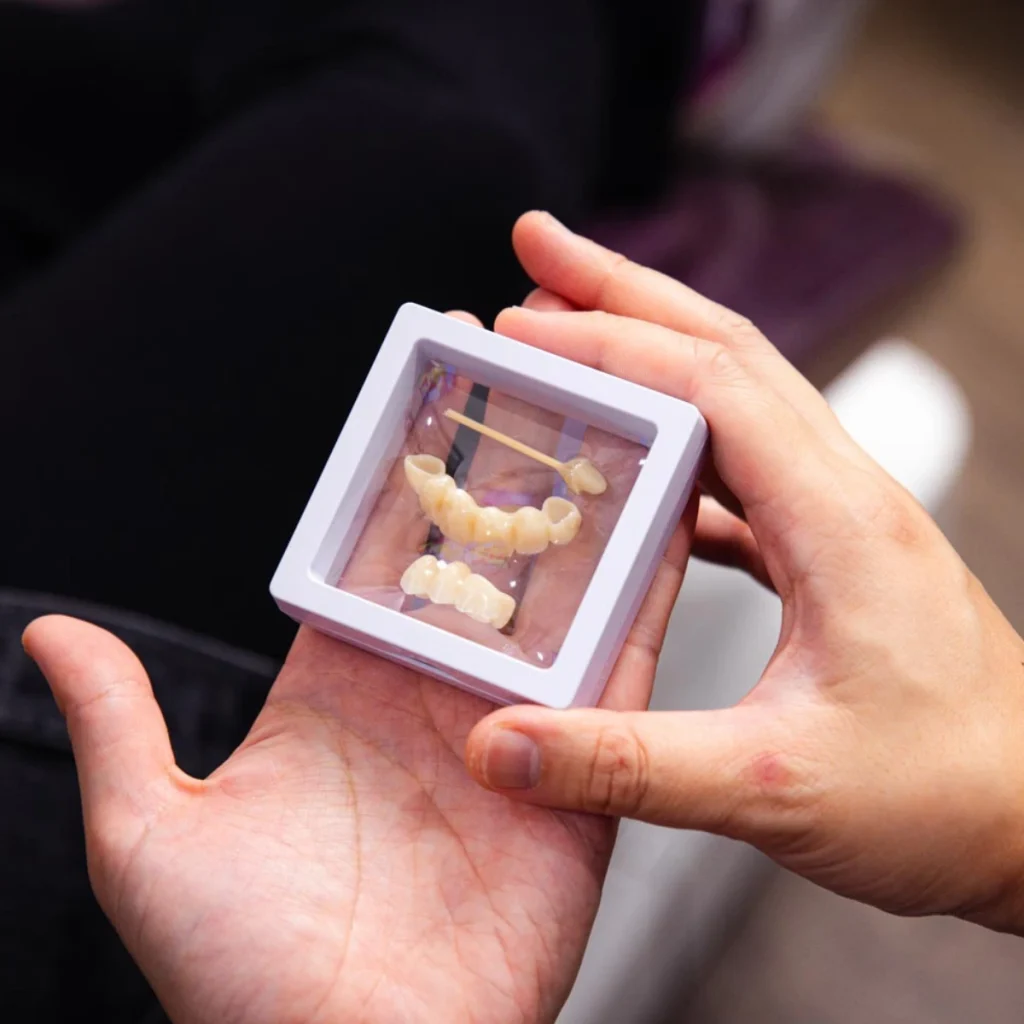
- In-office milling of ceramic block to create final restoration
- Characterisation and glazing as required
Phase 3: Crown Placement
- Trial fitting and occlusal adjustment
- Permanent cementation using appropriate bonding protocols
- Final polishing and bite verification
- Post-placement care instructions
Clinical Outcome
The CEREC same-day crown system allowed for completion of treatment in a single extended appointment. Digital workflow eliminated traditional impression materials and laboratory fabrication time, though the single-visit approach requires longer chair time compared to traditional two-visit crown procedures.
Individual responses to crown treatment vary significantly. Treatment outcomes cannot be guaranteed. CEREC crowns have material properties similar to laboratory-fabricated ceramics but may have limitations in certain complex cases requiring extensive customisation. All ceramic crowns can fracture, debond or develop marginal discrepancies over time. Crowned teeth remain at risk for root canal complications, fracture or recurrent decay. Crown longevity typically ranges from 10-15 years but varies based on individual factors.
Frequently Asked Questions for Melbourne Patients
How do CEREC same-day crowns compare to traditional laboratory crowns?
CEREC crowns offer the convenience of single-visit completion and eliminate temporary crown phases. Material properties are comparable to many laboratory ceramics for posterior teeth. However, traditional laboratory processes may provide advantages for complex aesthetic cases or certain material selections. Both approaches have similar longevity when properly executed.
What are the limitations of same-day crown treatment?
Same-visit treatment requires extended appointment time (typically 2-3 hours). Not all clinical situations are suitable, particularly cases requiring significant soft tissue management, complex bite adjustments or extensive aesthetic customisation. Multiple teeth requiring crowns may necessitate several appointments. Technology availability and practitioner experience affect outcomes.
Can CEREC crowns fracture or fail?
Yes, CEREC crowns have similar failure modes to traditional crowns, including fracture, debonding, marginal breakdown and recurrent decay. Failure rates are comparable to laboratory-fabricated crowns when case selection is appropriate. Factors affecting longevity include bite forces, grinding or clenching habits, oral hygiene and material properties.
Disclaimer: The material posted is for informational purposes only and is not intended to substitute for professional medical advice, diagnosis or treatment. Results vary with each patient. Any dental procedure carries risks and benefits. If you have any specific questions about any dental and/or medical matter, you should consult your dentist, physician or other professional healthcare providers.
Disclaimer: The outcomes shown are only relevant for this patient and do not necessarily reflect the results other patients may experience.
Disclaimer: The outcomes shown are only relevant for this patient and do not necessarily reflect the results other patients may experience.
Services We Mentioned:
More Patient Journeys





This has to be the best dental practice I have ever been to (and I’ve been to a few over the years)! Have attended both Sunbury and most recently the Bacchus Marsh Dental House. All the Staff are wonderful. I see Dr. Fong and he is amazing. He makes me feel very comfortable and at ease. He is very personable and always make me laugh. Thanks also to the lovely Hannah who assisted when I had my recent procedure done.
Sobro O
Not just any old dental clinic, made to feel right at Home as soon as I walked in the door. Friendly and caring team and love the color purple throughout!
Scott S.
Had my first visit to Sunbury Dental House last week – they promise a gentle approach and having a crown prep done by Dr Fong after cracking a tooth, I’ve felt comfortable during my dental appointment. Being able to watch a movie during treatment certainly helped! Looking forward to my return visit in a few weeks!

