

Why Do Your Gums Keep Bleeding? Let’s Get to the Bottom of It
Noticing blood when you brush or floss? Maybe there’s a pink tinge in the sink when you spit? While the occasional bit of blood might not seem like a big deal, persistent bleeding gums are your mouth’s way of waving a red flag.
Healthy gums don’t bleed. If yours are bleeding regularly, something’s going on that needs attention. At Greenvale Dental House, we help patients from Greenvale, Craigieburn, and Roxburgh Park identify persistent bleeding gums causes and get their oral health back on track.
The Most Common Culprit: Gum Disease
Gum disease (periodontal disease) is responsible for most cases of persistent bleeding gums. It starts with gingivitis, which is inflammation of the gums caused by plaque buildup. When plaque isn’t removed through proper brushing and flossing, it irritates your gums and causes them to become inflamed, swollen, and prone to bleeding.
According to the Australian Institute of Health and Welfare, approximately 30% of Australian adults have moderate to severe gum disease. The early stage (gingivitis) is completely reversible with proper care, but if left untreated, it can progress to periodontitis – a more serious condition that affects the bone supporting your teeth. The tricky thing about gingivitis is that bleeding gums might be your only symptom at first, which is why many people ignore it.
Your Brushing and Flossing Technique
Sometimes the persistent bleeding gums causes aren’t disease-related – they’re technique-related. Brushing too hard or using a toothbrush with hard bristles can damage your gum tissue and cause bleeding. On the flip side, not brushing enough or skipping areas allows plaque to build up and irritate your gums.
If you’re not flossing regularly and then suddenly start, your gums might bleed for the first few days. This usually stops within a week as your gums get healthier. However, if bleeding continues beyond a week of gentle, regular flossing, there’s likely an underlying problem. The ideal technique involves using a soft-bristled toothbrush at a 45-degree angle to your gums with gentle circular motions.
Medications That Affect Your Gums
Certain medications can be sneaky persistent bleeding gums causes. Blood thinners like warfarin, aspirin, or newer anticoagulants make your gums more likely to bleed. If you’re on blood thinners and notice bleeding gums, let both your dentist and doctor know.
Some blood pressure medications, particularly calcium channel blockers, can cause gum overgrowth. This excess tissue is more prone to inflammation and bleeding. Anti-seizure medications and immunosuppressants can have similar effects. If you’ve recently started a new medication and noticed your gums bleeding more, mention this to us.
Hormonal Changes and Bleeding Gums
Hormones play a bigger role in gum health than most people realise. During pregnancy, increased progesterone levels make gums more sensitive to plaque, leading to pregnancy gingivitis. Many pregnant women notice their gums bleeding more easily, even if they’ve never had gum problems before. Puberty, menstruation, and menopause can all affect your gums too due to hormonal fluctuations.
Nutritional Deficiencies
Your diet affects your gum health more than you might think. Vitamin C deficiency can cause bleeding gums – it’s one of the hallmark symptoms of scurvy. Even mild vitamin C deficiency can make your gums more fragile and prone to bleeding. Vitamin K deficiency can also contribute because this vitamin is essential for blood clotting. A diet lacking in essential nutrients weakens your immune system, making it harder for your body to fight off the bacteria that cause gum disease.
Medical Conditions Linked to Bleeding Gums
Several medical conditions can be underlying persistent bleeding gums causes. Diabetes is a big one – high blood sugar levels make you more susceptible to infections, including gum disease. People with diabetes often have more severe gum disease, and gum disease can make it harder to control blood sugar levels.
Blood disorders like leukaemia, haemophilia, or platelet disorders can cause bleeding gums because they affect your blood’s ability to clot properly. If you have persistent bleeding gums along with other symptoms like unusual bruising, extreme fatigue, or bleeding from other areas, see your doctor promptly.
Lifestyle Factors That Matter
Smoking is terrible for your gums. It restricts blood flow to your gum tissue, making it harder for your gums to heal and fight infection. Interestingly, smokers might not notice bleeding gums as much because the reduced blood flow actually decreases bleeding – but the damage is still happening. Stress weakens your immune system and makes you more susceptible to gum disease. When you’re stressed, you might also skip oral hygiene routines or grind your teeth, both of which can contribute to gum problems.
When to Seek Professional Help
If your gums have been bleeding for more than a week despite gentle, regular brushing and flossing, it’s time to see us. Other signs that warrant a visit include swollen or puffy gums, gums pulling away from your teeth, persistent bad breath, loose teeth, or changes in how your teeth fit together when you bite. Don’t wait until you’re in pain – gum disease often doesn’t hurt until it’s quite advanced.
Getting Your Gums Back to Health
Most persistent bleeding gums causes are treatable. For mild gingivitis, a professional cleaning combined with improved home care usually sorts things out within a few weeks. More advanced gum disease might require deep cleaning or other treatments, but even severe cases can be managed with proper care.
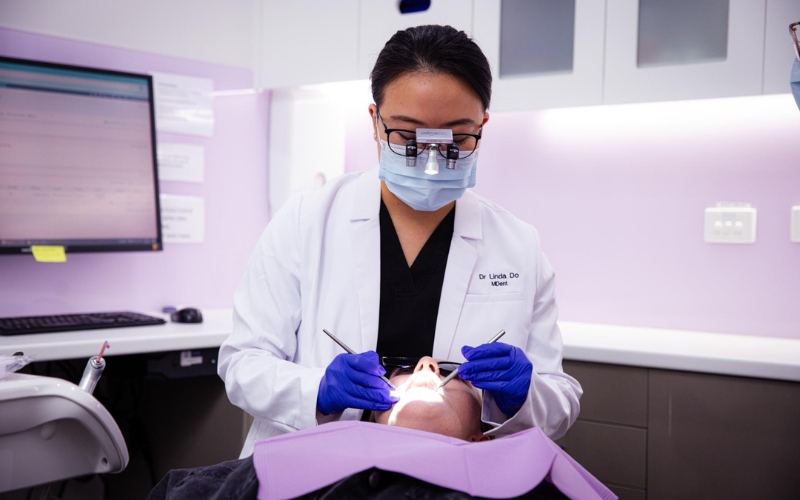
During your appointment at Greenvale Dental House, we’ll examine your gums thoroughly, identify what’s causing the bleeding, and create a personalised treatment plan. We’ll also review your brushing and flossing technique and discuss any medications or health conditions that might be contributing.
Concerned about persistent bleeding gums? Call Greenvale Dental House on (03) 6163 3111 or complete our online enquiry form to book a comprehensive gum health assessment. We’ll identify the underlying causes and get you on the path to healthy, bleeding-free gums.
Frequently Asked Questions
Is it normal for gums to bleed a little bit when flossing?
If you’re new to flossing or haven’t flossed in a while, slight bleeding for the first few days is common as your gums adjust. However, if bleeding continues beyond a week of regular, gentle flossing, it indicates gum inflammation that needs professional attention.
Can bleeding gums lead to tooth loss?
Yes, if left untreated. Persistent bleeding gums are often a sign of gum disease, which can progress to periodontitis. This advanced stage affects the bone supporting your teeth and is a leading cause of tooth loss in adults. Early treatment prevents this progression.
Will my gums stop bleeding if I stop brushing the area?
No, avoiding the bleeding area makes things worse. The bleeding is caused by inflammation from plaque buildup, so skipping that area allows more plaque to accumulate, worsening the inflammation. Gentle, consistent cleaning is what your gums need to heal.
DISCLAIMER:
The content has been made available for informational and educational purposes only. Dental House Group does not make any representation or warranties with respect to the accuracy, applicability, fitness, or completeness of the content.
The content is not intended to be a substitute for professional personal diagnosis or treatment. Always seek the advice of your dentist or another qualified health provider with any questions you may have regarding a dental or medical condition. Never disregard professional advice or delay seeking it because of something you have read or seen on the site.
Services We Mentioned:
More Dental Articles





This has to be the best dental practice I have ever been to (and I’ve been to a few over the years)! Have attended both Sunbury and most recently the Bacchus Marsh Dental House. All the Staff are wonderful. I see Dr. Fong and he is amazing. He makes me feel very comfortable and at ease. He is very personable and always make me laugh. Thanks also to the lovely Hannah who assisted when I had my recent procedure done.
Sobro O
Not just any old dental clinic, made to feel right at Home as soon as I walked in the door. Friendly and caring team and love the color purple throughout!
Scott S.
Had my first visit to Sunbury Dental House last week – they promise a gentle approach and having a crown prep done by Dr Fong after cracking a tooth, I’ve felt comfortable during my dental appointment. Being able to watch a movie during treatment certainly helped! Looking forward to my return visit in a few weeks!

