

Why Your Jaw Might Be Causing Those Constant Headaches
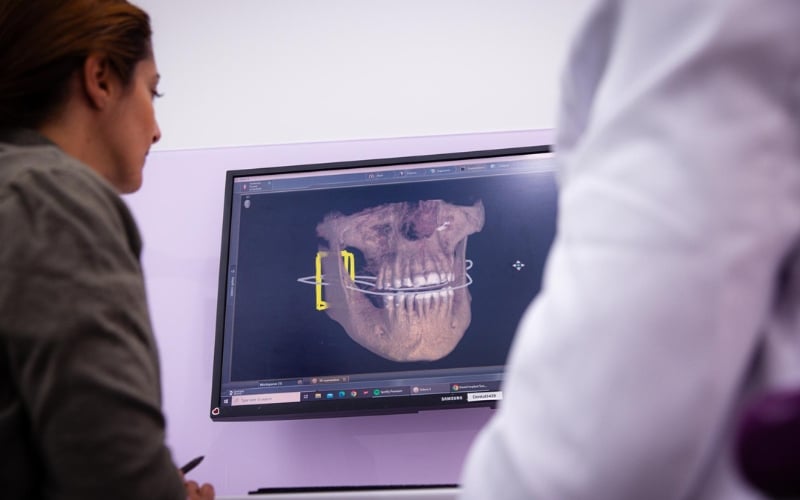
Been dealing with headaches that just won’t quit? Taking painkillers like they’re lollies but the relief never lasts? Before you book another appointment with your GP, here’s something worth considering – your jaw might be the culprit.
TMJ headaches are way more common than most people realise, and they often come with neck pain too. At Greenvale Dental House, we see patients from Greenvale, Craigieburn, and Roxburgh Park all the time who’ve been chasing headache relief for ages, only to discover their temporomandibular joint (TMJ) is the real problem.
What’s TMJ Dysfunction Anyway?
Your temporomandibular joint is the hinge that connects your jaw to your skull. You’ve got one on each side of your face, just in front of your ears. These joints get a serious workout every day – talking, chewing, yawning, even breathing all involve your TMJ.
When something goes wrong with these joints or the muscles around them, that’s TMJ dysfunction. The joint might not move smoothly, the muscles might be in spasm, or the disc inside the joint might be out of position. According to the Australian Dental Association, TMJ disorders affect approximately 30% of adults at some point in their lives.
The TMJ Headaches Connection
TMJ headaches are sneaky because they often feel exactly like tension headaches or even migraines. The pain typically shows up around your temples, behind your eyes, or across your forehead. The muscles that control your jaw are directly connected to muscles in your temples and the side of your head. When your jaw muscles are stressed or in spasm from TMJ dysfunction, that tension travels upward.
Your trigeminal nerve, one of the largest nerves in your head, connects your jaw to various parts of your face and head. When your TMJ is inflamed, this nerve sends pain signals throughout the region. TMJ headaches usually get worse when you chew, especially tough foods. They might be worse in the morning if you grind your teeth at night, and often coincide with jaw clicking or popping.
Why Neck Pain Tags Along
If you’re dealing with TMJ dysfunction, there’s a good chance your neck is giving you grief too. Your jaw and neck are biomechanically linked. When your bite is off or your jaw isn’t functioning properly, your head position changes to compensate. This altered posture puts extra strain on your neck muscles.
When you’re clenching or grinding your teeth, the muscles that run from your jaw down into your neck work overtime. Over time, this creates chronic tension in your neck muscles. Poor posture makes it worse – if you’re hunched over a computer all day or constantly looking down at your phone, you’re putting extra stress on both your neck and jaw.
Other TMJ Symptoms to Watch For
TMJ headaches and neck pain often come with other symptoms. You might experience ear pain or fullness in your ears, even though there’s nothing wrong with your ears. Some people hear clicking or popping sounds when they open their mouth. Your jaw might feel tired after eating or talking. According to dental research, about 80% of people with TMJ disorders report headaches as a primary symptom, and roughly 40% experience concurrent neck pain.
What Causes TMJ Dysfunction?
Teeth grinding or clenching (bruxism) is one of the biggest culprits behind TMJ problems. Many people grind their teeth at night without knowing it, waking up with a sore jaw and headache. Stress plays a massive role – when you’re stressed, you’re more likely to clench your jaw.
Misaligned teeth or an improper bite can put constant strain on your TMJ. If your teeth don’t come together properly when you bite, your jaw has to work harder. Arthritis can affect the TMJ just like any other joint, causing inflammation and pain. Injury or trauma to the jaw, even from years ago, can lead to TMJ dysfunction.
How We Diagnose and Treat TMJ Issues
When you come to Greenvale Dental House with suspected TMJ headaches, we’ll do a thorough examination of your jaw, bite, and how your teeth come together. We’ll ask about your symptoms, when they occur, and what makes them better or worse.
A custom-made nightguard is often the first line of defence, especially if you grind your teeth. This appliance cushions your teeth and reduces strain on your TMJ while you sleep. Many patients notice significant improvement in their TMJ headaches within a few weeks of wearing a nightguard. We might recommend specific exercises to help relax and strengthen your jaw muscles, and lifestyle changes like stress management and improving your posture can make a huge difference.
Finding Relief from TMJ Headaches
Most TMJ headaches respond really well to treatment once we’ve identified the problem. Unlike chronic headaches from other causes, TMJ-related headaches have a fixable source. When we address the underlying jaw dysfunction, the headaches and neck pain typically improve significantly.
If you’ve been dealing with persistent headaches and neck pain that don’t respond well to usual treatments, or if you’ve noticed any jaw symptoms alongside your headaches, it’s worth getting your TMJ evaluated.
Struggling with persistent headaches or neck pain that might be TMJ-related? Call Greenvale Dental House on (03) 6163 3111 or complete our online enquiry form to book a comprehensive TMJ assessment. We’ll examine your jaw function, identify any issues, and create a treatment plan to get you relief from those TMJ headaches and associated neck pain.
Frequently Asked Questions
How can I tell if my headaches are from TMJ or something else?
TMJ headaches typically worsen with jaw movement like chewing or talking, often occur in the morning (especially if you grind your teeth at night), and may be accompanied by jaw clicking, popping, or stiffness. If your headaches consistently coincide with jaw symptoms or improve when you rest your jaw, TMJ is likely involved.
Will I need surgery for TMJ dysfunction?
Surgery is rarely necessary for TMJ dysfunction. Most cases respond well to conservative treatments like nightguards, exercises, lifestyle modifications, and bite adjustments. We only consider surgical options in severe cases that don’t respond to other treatments after several months.
How long does it take to see improvement in TMJ headaches?
Many patients notice some improvement within 2-4 weeks of starting treatment with a nightguard or making lifestyle changes. Significant reduction in TMJ headaches typically occurs within 2-3 months of consistent treatment, though this varies depending on the severity of your condition and how well you follow the treatment plan.
DISCLAIMER:
The content has been made available for informational and educational purposes only. Dental House Group does not make any representation or warranties with respect to the accuracy, applicability, fitness, or completeness of the content.
The content is not intended to be a substitute for professional personal diagnosis or treatment. Always seek the advice of your dentist or another qualified health provider with any questions you may have regarding a dental or medical condition. Never disregard professional advice or delay seeking it because of something you have read or seen on the site.
Services We Mentioned:

More Dental Articles




This has to be the best dental practice I have ever been to (and I’ve been to a few over the years)! Have attended both Sunbury and most recently the Bacchus Marsh Dental House. All the Staff are wonderful. I see Dr. Fong and he is amazing. He makes me feel very comfortable and at ease. He is very personable and always make me laugh. Thanks also to the lovely Hannah who assisted when I had my recent procedure done.
Sobro O
Not just any old dental clinic, made to feel right at Home as soon as I walked in the door. Friendly and caring team and love the color purple throughout!
Scott S.
Had my first visit to Sunbury Dental House last week – they promise a gentle approach and having a crown prep done by Dr Fong after cracking a tooth, I’ve felt comfortable during my dental appointment. Being able to watch a movie during treatment certainly helped! Looking forward to my return visit in a few weeks!

