

All-on-4 Plus® and Significant Bone Loss: Understanding Your Treatment Options

When you’ve been told that significant bone loss makes dental implants impossible, it can feel like you’re facing a dead end. Many patients who visit Greenvale Dental House have heard this from other clinics, leaving them uncertain about their options beyond dentures.
Fortunately, All-on-4 Plus® bone loss suitability has transformed implant dentistry, offering a solution tailored for patients once considered unsuitable for fixed teeth. This innovative treatment is designed to work with your existing bone, minimising or eliminating the need for bone grafts.
At Greenvale Dental House, we know bone loss is common. Research shows that periodontitis, a leading cause, affects 55.5% of adults, with 20.7% experiencing moderate forms. While many believe they have no viable path forward, All-on-4 Plus® often changes the narrative.
Understanding Bone Loss and Its Impact on Dental Health
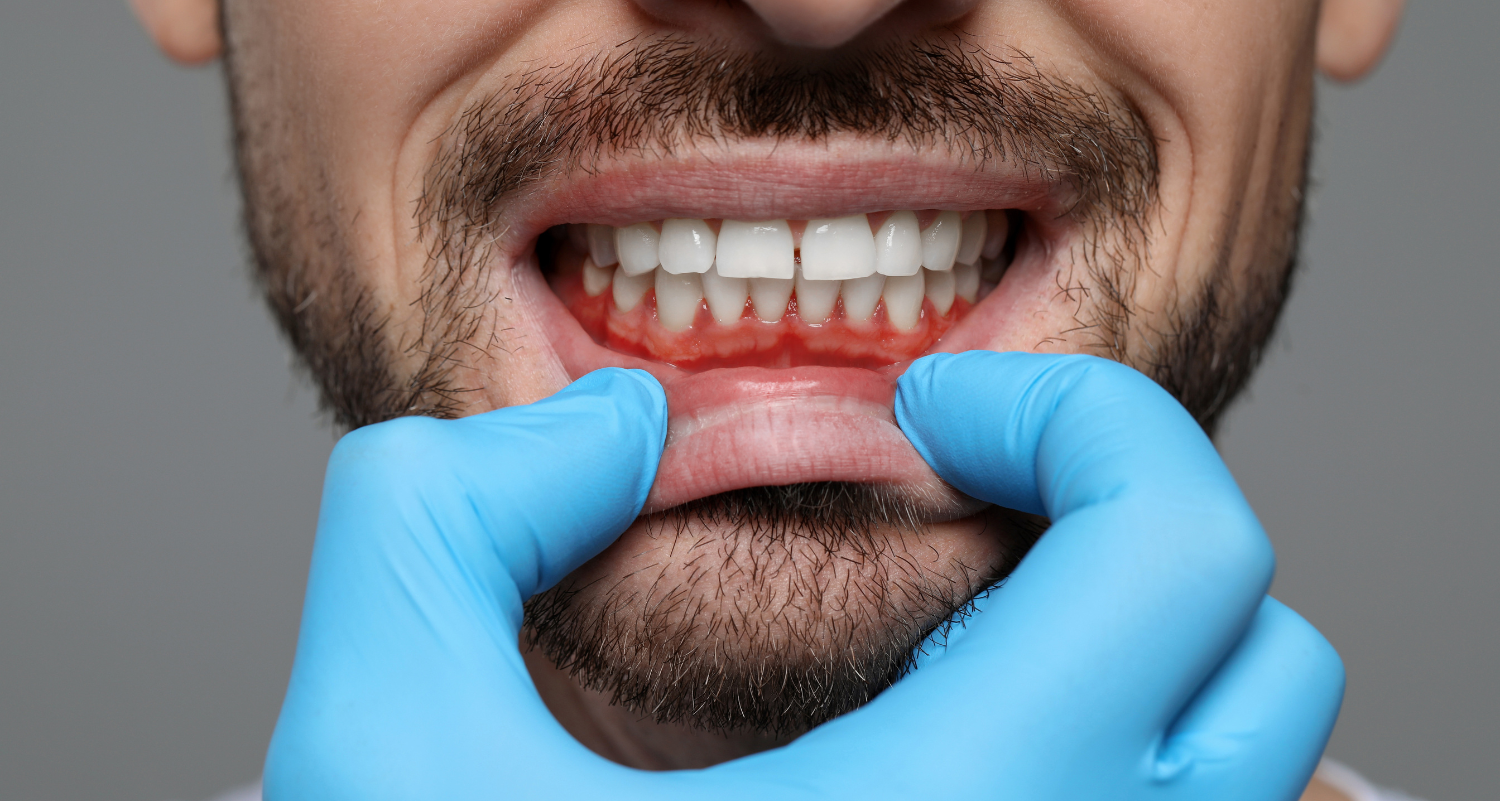
Alveolar bone resorption occurs when the jawbone deteriorates after tooth loss. Without root stimulation, the bone shrinks, up to 25% of its width can be lost within a year of extraction. This leads not only to challenges with implants but also visible facial changes, such as sunken cheeks.
Beyond extractions, periodontal disease, ageing, and hormonal shifts (especially post-menopause) accelerate bone loss. A CDC study shows periodontitis with bone loss is twice as common in lower-income adults, highlighting the importance of accessible solutions like All-on-4 Plus®.
What Makes All-on-4 Plus® Different for Bone Loss Cases
Unlike traditional implants, which require vertical placement into dense bone (often needing grafting), All-on-4 Plus® uses a strategic mix of straight and angled implants often up to 45 degrees, to anchor in denser areas like cortical bone.
This approach avoids anatomical structures like the sinus or nerve, reducing surgical complexity. The method not only improves initial stability but also supports immediate prosthetic placement.
Studies show long-term success: one found patient-related and implant-related rates of 94.8% and 98.1%, respectively. Other research reports survival rates of up to 99.2%, even with significant bone loss.
Assessing All-on-4 Plus® Bone Loss Suitability
Candidacy is not based solely on bone quantity but also on quality, density, and strategic availability. At Greenvale Dental House, we use CBCT imaging to assess bone in 3D—crucial for identifying dense areas for implant placement.
The Lekholm and Zarb classification grades bone from Type I (dense) to Type IV (soft). Even patients with general bone loss often have usable Type I or II bone in select areas.
All-on-4 Plus® is highly suitable for those with mild to moderate bone loss, with documented success rates of around 98%. Even conditions once considered risky, such as diabetes or autoimmune disorders, can often be managed with proper protocols.
Treatment Process and Success Rates
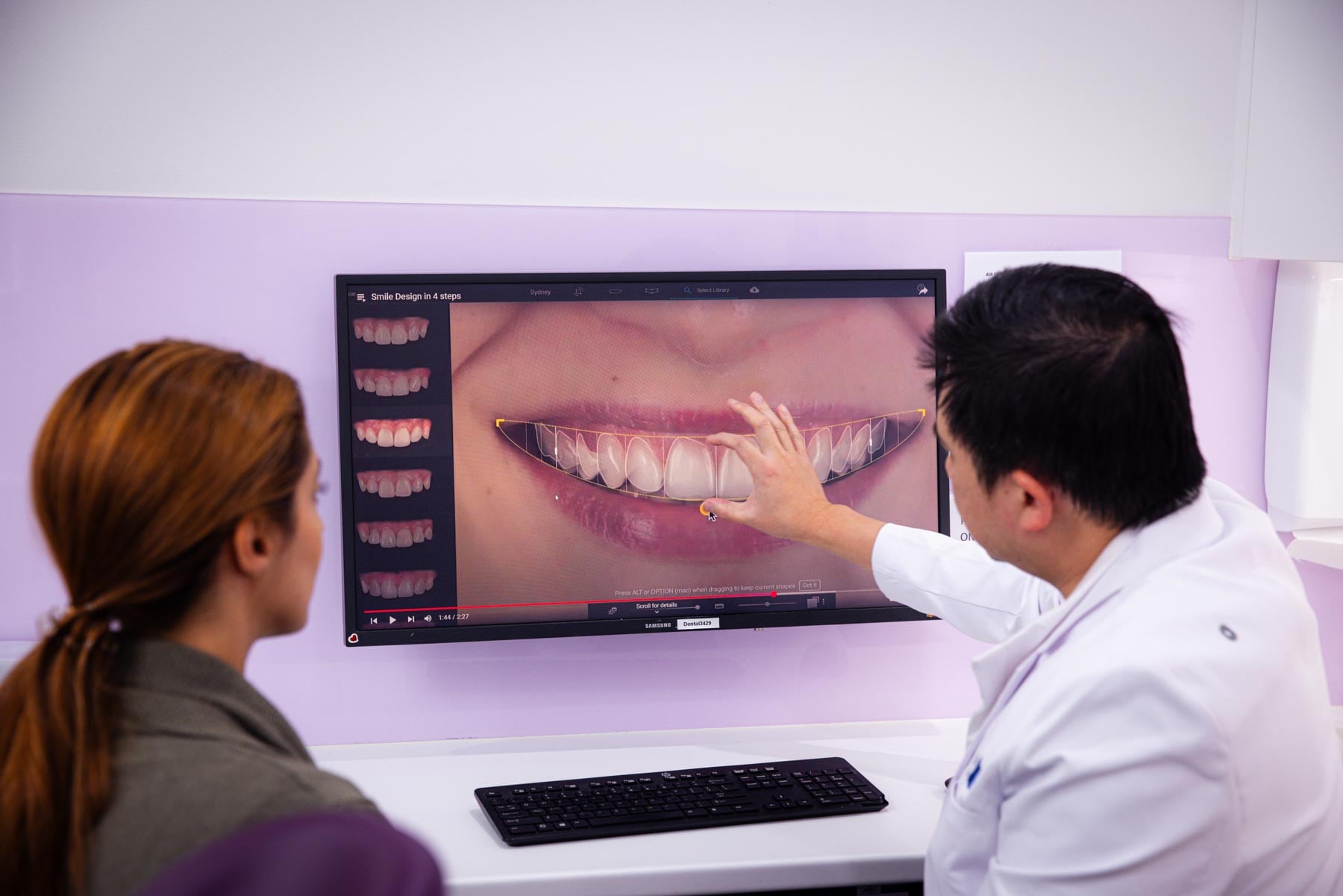
The process begins with a full assessment and 3D imaging, followed by digital treatment planning that maps out implant positions for optimal support and aesthetics.
One of the biggest advantages is immediate loading, placing a fixed prosthetic on the same day as implant surgery. Patients leave with functional teeth, avoiding the discomfort of going toothless.
Australian Dental Association data places implant success between 90-98%. In All-on-4 Plus® studies, success consistently aligns with the upper range, even for complex cases. A review of 4,000+ implants found survival and success rates of 94.7% and 93.9%.
Why Choose Greenvale Dental House
We specialise in complex cases, including those with advanced bone loss. Serving Melbourne’s northern suburbs including Craigieburn and Roxburgh Park, we combine clinical expertise with a premium, gentle care environment.
Our team uses the latest in digital planning and surgical techniques. We personalise every step, ensuring patients feel supported throughout their All-on-4 Plus® journey, especially if past treatments have left them disappointed.
Take the Next Step Towards Your Restored Smile
If you’ve been told bone loss disqualifies you from implants, let’s explore whether All-on-4 Plus® could be your solution. We’ll assess your oral health, answer your questions, and map out a tailored path forward.
Call us or use our enquiry form to book your consultation. Discover how All-on-4 Plus® can offer a renewed smile, even in the most challenging cases.
Frequently Asked Questions
Q: How much bone loss is too much for All-on-4 Plus® treatment?
A: All-on-4 Plus® is specifically designed to work with patients who have significant bone loss. The key factor is not the absolute amount of bone present, but rather the quality and strategic positioning of available bone. During your consultation, advanced imaging will determine whether sufficient bone exists in the optimal locations for implant placement.
Q: Will I need bone grafting with All-on-4 Plus® if I have severe bone loss?
A: One of the primary advantages of All-on-4 Plus® is that it often eliminates the need for extensive bone grafting procedures. The strategic angled placement of implants allows the treatment to work with your existing bone structure. While minor grafting may occasionally be beneficial in specific areas, the majority of All-on-4 Plus® cases can be completed without major bone augmentation procedures.
Q: What is the success rate of All-on-4 Plus® in patients with significant bone loss?
A: Research demonstrates that All-on-4® Plus maintains success rates of 95-98% even in cases involving significant bone loss. Some studies report survival rates as high as 99.2% over extended follow-up periods. These success rates are comparable to those achieved in patients with ideal bone conditions.
Q: How do I know if I’m a candidate for All-on-4 Plus® with my bone loss?
A: Candidacy determination requires a comprehensive evaluation including advanced 3D imaging, medical history review, and clinical examination. Factors such as bone quality, overall health, oral hygiene, and realistic expectations all play a role in determining All-on-4 Plus® bone loss suitability. The only way to know definitively is through a professional consultation and assessment.
Q: How long will All-on-4 Plus® implants last if I have a history of bone loss?
A: With proper care and maintenance, All-on-4 Plus® implants can last for decades. Patients with a history of bone loss may require more frequent monitoring and maintenance, but this doesn’t necessarily affect the longevity of the implants themselves. The key factors for long-term success include excellent oral hygiene, regular professional care, and adherence to maintenance protocols.
This article is for educational purposes only and does not constitute medical advice. Individual treatment recommendations should always be made following a comprehensive consultation and examination by qualified dental professionals at Greenvale Dental House. Results may vary between patients based on individual circumstances and adherence to treatment protocols.
DISCLAIMER:
The content has been made available for informational and educational purposes only. Dental House Group does not make any representation or warranties with respect to the accuracy, applicability, fitness, or completeness of the content.
The content is not intended to be a substitute for professional personal diagnosis or treatment. Always seek the advice of your dentist or another qualified health provider with any questions you may have regarding a dental or medical condition. Never disregard professional advice or delay seeking it because of something you have read or seen on the site.
Services We Mentioned:

More Dental Articles




This has to be the best dental practice I have ever been to (and I’ve been to a few over the years)! Have attended both Sunbury and most recently the Bacchus Marsh Dental House. All the Staff are wonderful. I see Dr. Fong and he is amazing. He makes me feel very comfortable and at ease. He is very personable and always make me laugh. Thanks also to the lovely Hannah who assisted when I had my recent procedure done.
Sobro O
Not just any old dental clinic, made to feel right at Home as soon as I walked in the door. Friendly and caring team and love the color purple throughout!
Scott S.
Had my first visit to Sunbury Dental House last week – they promise a gentle approach and having a crown prep done by Dr Fong after cracking a tooth, I’ve felt comfortable during my dental appointment. Being able to watch a movie during treatment certainly helped! Looking forward to my return visit in a few weeks!

