

Thin or Thick Veneers? Here’s How to Choose What’s Right for You
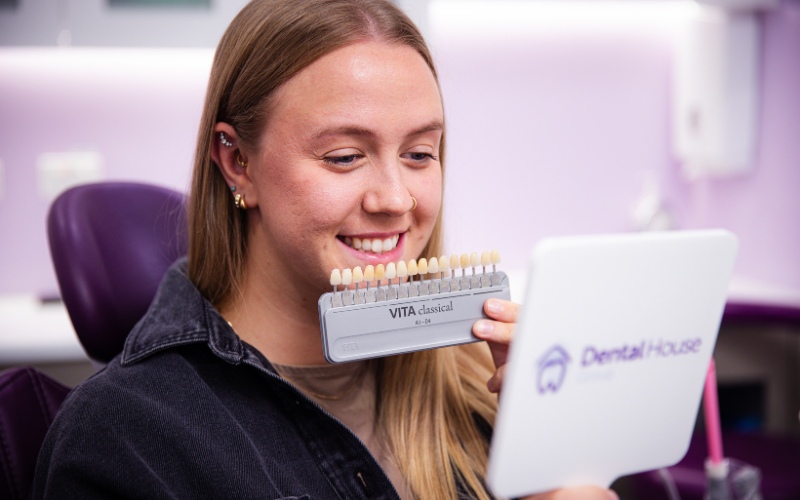
So you’ve decided veneers are the way to go for your dream smile. Brilliant choice! But here’s something most people don’t realise until they’re sitting in the dentist’s chair – veneer thickness options actually matter quite a bit. It’s not just a one-size-fits-all situation.
The thickness of your veneers affects everything from how much tooth preparation is needed to how natural they’ll look, and even how long they’ll last. At Greenvale Dental House, we help patients from Greenvale, Craigieburn, and Roxburgh Park navigate these choices every day. Let’s break down what you need to know about veneer thickness so you can make the best decision for your smile.
Understanding Veneer Thickness Options
Veneers typically range from super thin (about 0.3mm) to standard thickness (around 1.0mm to 1.5mm). Think of it like choosing between tissue paper and cardstock – both can do the job, but they work differently and suit different situations.
Ultra-thin veneers (0.3-0.5mm): These are the minimally invasive option, about as thin as a contact lens. They require very little (sometimes zero) removal of your natural tooth structure.
Standard veneers (0.8-1.5mm): The traditional option that’s thicker and stronger, but requires more tooth preparation to avoid looking bulky.
The choice between these veneer thickness options isn’t just about aesthetics – it’s about finding the right balance between preservation of your natural teeth, the results you want, and long-term durability.
What Influences Your Veneer Thickness Choice?
Your tooth’s current condition plays a massive role in determining which veneer thickness options will work best. If you’ve got fairly healthy, well-aligned teeth with minor cosmetic concerns, ultra-thin veneers might be perfect. They can mask slight discolouration, small chips, or minor gaps without requiring significant tooth alteration. However, if you’re dealing with more substantial issues like severe discolouration, larger gaps, or noticeable misalignment, you’ll likely need standard-thickness veneers.
The colour of your natural teeth is another big consideration. If your teeth are quite dark or heavily stained, ultra-thin veneers might not fully mask the underlying shade. Standard-thickness veneers provide better opacity, meaning they can effectively cover darker teeth and give you that bright, white smile you’re after. Your bite pattern also matters – if you grind your teeth at night, thicker veneers generally hold up better over time.
The Tooth Preparation Factor
Here’s where veneer thickness really affects your experience – the amount of tooth preparation required. With ultra-thin veneers, we might only need to lightly buff the tooth surface, or sometimes no preparation at all. This means you keep almost all of your natural tooth structure, which is always a good thing. Less preparation also typically means less sensitivity afterwards.
Standard-thickness veneers require more substantial preparation. We need to remove a thin layer of enamel (usually about 0.5-1.0mm) to make room for the veneer. This ensures your new smile doesn’t look too bulky or stick out unnaturally. While this is a very conservative procedure, it does mean the process is irreversible – once that enamel is removed, you’ll always need some kind of restoration on that tooth. Most patients experience minimal discomfort that resolves within a few days.
Aesthetics and Natural Appearance
Ultra-thin veneers can look incredibly natural because they maintain the translucency of natural tooth enamel. They’re brilliant for people who want subtle enhancements – fixing minor imperfections while keeping that natural tooth character. However, they have limitations. You can’t dramatically change tooth shape, length, or colour with ultra-thin options.
Standard-thickness veneers give us much more creative freedom. We can make more significant changes to tooth shape, alignment, and colour while still achieving natural-looking results. The extra material allows for better light reflection and depth, which can actually create a more realistic appearance in cases where dramatic changes are needed. During your consultation at Greenvale Dental House, we’ll assess your facial features and show you examples of what different thicknesses can achieve for your specific situation.
Durability and Longevity Considerations
According to dental research, traditional veneers typically last 10-15 years with proper care, while ultra-thin veneers generally last 5-10 years. Thicker veneers are simply more robust and can better withstand the forces of everyday chewing, especially if you love crunchy foods or occasionally forget not to bite into that apple with your front teeth.
That said, ultra-thin veneers aren’t fragile – they’re made from extremely strong ceramic materials. With good care and maintenance, they can last just as long as their thicker counterparts. The key is being realistic about your habits. If you’re a teeth grinder, play contact sports, or have a particularly strong bite, standard-thickness veneers might be the smarter long-term investment.
Finding Your Perfect Veneer Thickness
Choosing between veneer thickness options isn’t something you need to stress about alone. During your consultation, we’ll examine your teeth, discuss your goals, and walk you through which options make the most sense for your unique situation. We’ll show you before-and-after photos of real patients who’ve had different thickness veneers so you can see the actual results.
It’s also worth thinking about your lifestyle and long-term plans. Are you looking for a quick cosmetic fix or a complete smile transformation? Do you need something that can handle your active lifestyle without constant worry? At Greenvale Dental House, we don’t believe in a one-size-fits-all approach to cosmetic dentistry. We’ll take the time to understand your teeth, your goals, and your lifestyle to recommend the veneer thickness that’ll give you the best possible outcome.
Ready to explore your veneer options and find out which thickness is right for your smile? Call Greenvale Dental House on (03) 6163 3111 or complete our online enquiry form to book your comprehensive cosmetic consultation. We’ll assess your teeth, discuss all available veneer thickness options, and create a personalised treatment plan that’s perfect for you.
Frequently Asked Questions
Can I switch from ultra-thin to standard veneers later if I want to?
Yes, you can transition from ultra-thin to standard veneers in the future. Since ultra-thin veneers require minimal tooth preparation, there’s usually enough tooth structure remaining to prepare for standard veneers if you decide you want a more dramatic change down the track.
Will people be able to tell I have veneers based on the thickness?
Not if they’re properly designed and placed. Both ultra-thin and standard veneers can look incredibly natural when crafted by experienced professionals. The key is choosing the right thickness for your specific needs and working with a dentist who understands facial aesthetics and natural tooth characteristics.
Do I need the same thickness for all my veneers?
Not necessarily. Many patients benefit from using different veneer thickness options on different teeth. We might use ultra-thin veneers where minimal changes are needed and standard veneers on teeth requiring more significant corrections. This customised approach often delivers the best overall results.
DISCLAIMER:
The content has been made available for informational and educational purposes only. Dental House Group does not make any representation or warranties with respect to the accuracy, applicability, fitness, or completeness of the content.
The content is not intended to be a substitute for professional personal diagnosis or treatment. Always seek the advice of your dentist or another qualified health provider with any questions you may have regarding a dental or medical condition. Never disregard professional advice or delay seeking it because of something you have read or seen on the site.
Services We Mentioned:
More Dental Articles


This has to be the best dental practice I have ever been to (and I’ve been to a few over the years)! Have attended both Sunbury and most recently the Bacchus Marsh Dental House. All the Staff are wonderful. I see Dr. Fong and he is amazing. He makes me feel very comfortable and at ease. He is very personable and always make me laugh. Thanks also to the lovely Hannah who assisted when I had my recent procedure done.
Sobro O
Not just any old dental clinic, made to feel right at Home as soon as I walked in the door. Friendly and caring team and love the color purple throughout!
Scott S.
Had my first visit to Sunbury Dental House last week – they promise a gentle approach and having a crown prep done by Dr Fong after cracking a tooth, I’ve felt comfortable during my dental appointment. Being able to watch a movie during treatment certainly helped! Looking forward to my return visit in a few weeks!

